

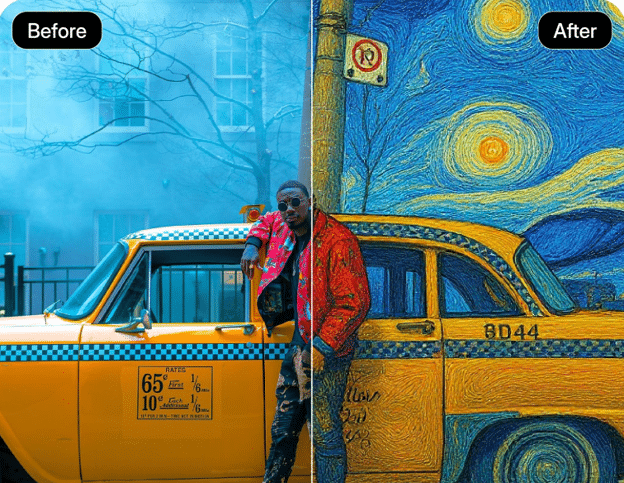
Artificial intelligence has become one of the biggest driving forces behind modern digital creativity. From generating artwork to improving image quality, AI is changing how people approach visual content. Among the latest innovations, the AI image to image editor stands out because it allows users to transform an existing image instead of creating one from scratch. This simple difference provides creators with much greater control over the editing process while making advanced image editing more accessible to everyone.
In the past, editing a photo often required professional software and years of experience. Even small adjustments could involve multiple editing tools, careful layer management, and countless manual corrections. Today, AI can understand the content of an image, recognize important objects, and apply intelligent modifications that once required significant technical knowledge. Instead of replacing creativity, AI removes repetitive editing tasks so users can focus on developing stronger visual ideas.
As digital communication becomes increasingly visual, creators need editing tools that help them work efficiently while maintaining consistent quality. Businesses, educators, photographers, designers, and content creators all face growing demands to produce fresh images for websites, advertisements, presentations, online stores, and social media. An AI image to image editor offers a practical solution by allowing existing visuals to evolve into new creative versions without losing their original identity.
Exploring the Capabilities of AI Image to Image Editors
Unlike text-to-image generation, which creates a completely new picture from written instructions, an AI image to image editor begins with an existing image. The uploaded picture becomes the foundation of the editing process. Artificial intelligence studies the shapes, colors, lighting, composition, and visual relationships within the image before creating an enhanced or transformed version.
This workflow provides creators with more predictable results because the original structure remains available as a reference. Instead of hoping a text prompt accurately describes every detail, users can guide the AI with a real image that already contains the composition and visual elements they want to preserve.
This approach makes AI-assisted editing especially valuable for projects that require consistency across multiple images.
Why Existing Images Provide Better Creative Control
Creative work rarely begins from nothing. Designers often start with sketches, photographers work with original photos, and businesses already have product images, promotional graphics, or brand assets. These existing visuals represent valuable creative resources.
An AI image to image editor builds upon these materials instead of replacing them. A product photograph can become a polished advertising image. A rough concept drawing can develop into a detailed illustration. A simple landscape photo can take on an entirely different artistic style while maintaining the same composition.
Because the original image remains part of the creative process, users retain greater influence over the final outcome. The AI becomes a creative assistant rather than an unpredictable image generator.
Making Professional Editing More Accessible
Professional photo editing software has traditionally required extensive learning. Understanding layers, masking, color grading, object selection, retouching, and numerous advanced tools can take months or even years.
Artificial intelligence simplifies many of these technical challenges.
Instead of adjusting every element manually, users can focus on describing the type of transformation they want to achieve. The AI performs much of the technical work automatically while preserving important visual details.
This accessibility opens creative opportunities for people who may have excellent ideas but limited editing experience. Entrepreneurs, teachers, students, bloggers, and small business owners can all improve their visual content without becoming professional graphic designers.
Helping Businesses Create Consistent Visual Content
Modern businesses rely on visual communication across almost every customer interaction. Websites, online stores, email campaigns, product catalogs, brochures, advertisements, and social media posts all require attractive images.
Maintaining a consistent visual identity across these materials is often challenging. Different photographers, designers, or editing styles can produce inconsistent results that weaken brand recognition.
An AI image to image editor helps solve this problem by allowing businesses to transform existing brand visuals into new versions while preserving important design characteristics. Colors, layouts, product positioning, and overall visual style remain more consistent because every edited image begins with an established reference. This streamlined workflow supports both efficiency and stronger brand presentation.
Supporting Designers During Creative Exploration
Design is rarely a one-step process. Creative professionals typically explore several ideas before choosing the strongest direction. They experiment with different colors, artistic styles, lighting conditions, textures, and visual compositions.
Repeating these experiments manually can consume valuable production time. AI image-to-image editing makes this exploration much faster. Designers can generate multiple interpretations of the same concept while preserving the overall structure of the original artwork.
Rather than rebuilding each version from the beginning, they refine and compare different possibilities before selecting the final design. This encourages creativity because testing new ideas becomes quicker and less technically demanding.
How Visual Storytelling Engages Your Audience
Every image communicates a message. Whether promoting a product, illustrating an educational concept, or supporting a news article, visuals play an essential role in helping audiences understand information.
An AI image to image editor gives creators greater flexibility when developing visual stories. The same image can be adapted to match different moods, audiences, or communication goals without requiring an entirely new photoshoot or illustration.
For example, a single city photograph may become a clean architectural illustration, a dramatic artistic interpretation, or a polished promotional graphic depending on the project’s needs.
Because the original composition remains recognizable, viewers experience continuity even when the artistic presentation changes.
Transforming Photography Without Losing Authenticity
Photography has always been about capturing moments, emotions, and perspectives. While traditional editing can improve a photograph, creators often want to experiment with different artistic styles without losing the original subject. An AI image to image editor makes this possible by preserving the important elements of a photograph while intelligently transforming its appearance.
A portrait can become a pencil sketch, a watercolor illustration, or a digital painting while still keeping the person’s expression and composition intact. A landscape photo can adopt a completely different atmosphere through changes in lighting, colors, or artistic effects without losing its recognizable scenery. This flexibility gives photographers more creative freedom while protecting the authenticity of their original work.
Helping Educators Create Better Learning Materials
Education is becoming increasingly visual. Teachers, trainers, and instructional designers use illustrations, diagrams, presentations, and educational graphics to explain complex ideas more clearly.
An AI image to image editor helps educators transform existing visuals into formats that better support learning. Scientific illustrations can become simplified diagrams. Historical photographs can be adapted into educational artwork. Nature images can be transformed into clear teaching materials that focus on important details while reducing unnecessary distractions.
Because educators often work with limited design resources, AI-assisted editing provides a practical way to improve visual quality without requiring professional illustration skills.
Encouraging Creative Experimentation
One of the greatest strengths of artificial intelligence is its ability to encourage experimentation. Creative professionals often hesitate to test new visual ideas because manual editing can require significant time and effort.
With an AI image to image editor, exploring different artistic directions becomes much easier. A creator can compare multiple versions of the same image with different styles, lighting conditions, textures, or color treatments before choosing the final design.
This freedom encourages innovation because creators can evaluate many possibilities without restarting each project from the beginning. Instead of limiting creativity, AI expands the number of ideas that can be explored within the same amount of time.
Maintaining Consistency Across Large Projects
Large creative projects often involve dozens or even hundreds of images. Whether producing an online course, publishing a digital magazine, developing a product catalog, or preparing a company presentation, visual consistency plays an important role.
When each image is edited separately, small differences in style or color can gradually appear throughout the project. These inconsistencies may reduce the overall professional appearance.
Using an AI image to image editor helps maintain a more unified visual identity because every transformation begins with an existing reference image. This creates smoother transitions between graphics and strengthens the overall presentation.
Making Collaboration More Efficient
Creative work is rarely completed by one person alone. Designers, photographers, marketing teams, project managers, clients, and business owners often review and revise the same visual materials.
An AI image to image editor improves collaboration by allowing everyone to discuss visible image variations rather than abstract editing instructions. Team members can compare several transformed versions side by side and decide which one best matches the project’s goals.
This makes communication clearer, reduces misunderstandings, and shortens revision cycles. Instead of explaining complicated editing techniques, teams can focus on creative decisions that improve the final result.
Human Creativity Remains the Foundation
Although artificial intelligence performs much of the technical work, creativity continues to belong to people. Every successful visual project begins with a human idea, whether it is a photograph, a sketch, a product concept, or a marketing campaign. The creator selects the original image, decides how it should be transformed, reviews the generated results, and determines which version communicates the intended message most effectively. AI supports these decisions, but it does not replace imagination, artistic judgment, or creative experience. This partnership between technology and human creativity represents one of the greatest strengths of modern AI editing.
Looking Ahead
The future of photo editing is moving toward workflows that are faster, smarter, and more flexible. Instead of spending hours performing repetitive adjustments, creators can devote more attention to storytelling, branding, communication, and artistic expression.
As AI continues to improve, image-to-image editing will become an increasingly valuable tool for professionals and beginners alike. Rather than replacing traditional editing methods, it complements them by providing intelligent assistance whenever creators need to transform existing visuals efficiently.
This balance between automation and creative control will continue to shape how digital images are produced across industries.
Conclusion
The AI image to image editor represents a major step forward in modern photo editing because it combines intelligent automation with human creativity. By starting with an existing image, creators gain greater control over composition, consistency, and artistic direction while reducing the time spent on repetitive editing tasks.
Whether used for photography, marketing, education, design, digital publishing, or business communication, this technology provides a practical way to transform visuals without sacrificing quality or originality. Instead of replacing creative professionals, AI image-to-image editing enhances their ability to experiment, refine ideas, and produce compelling visual content more efficiently.