

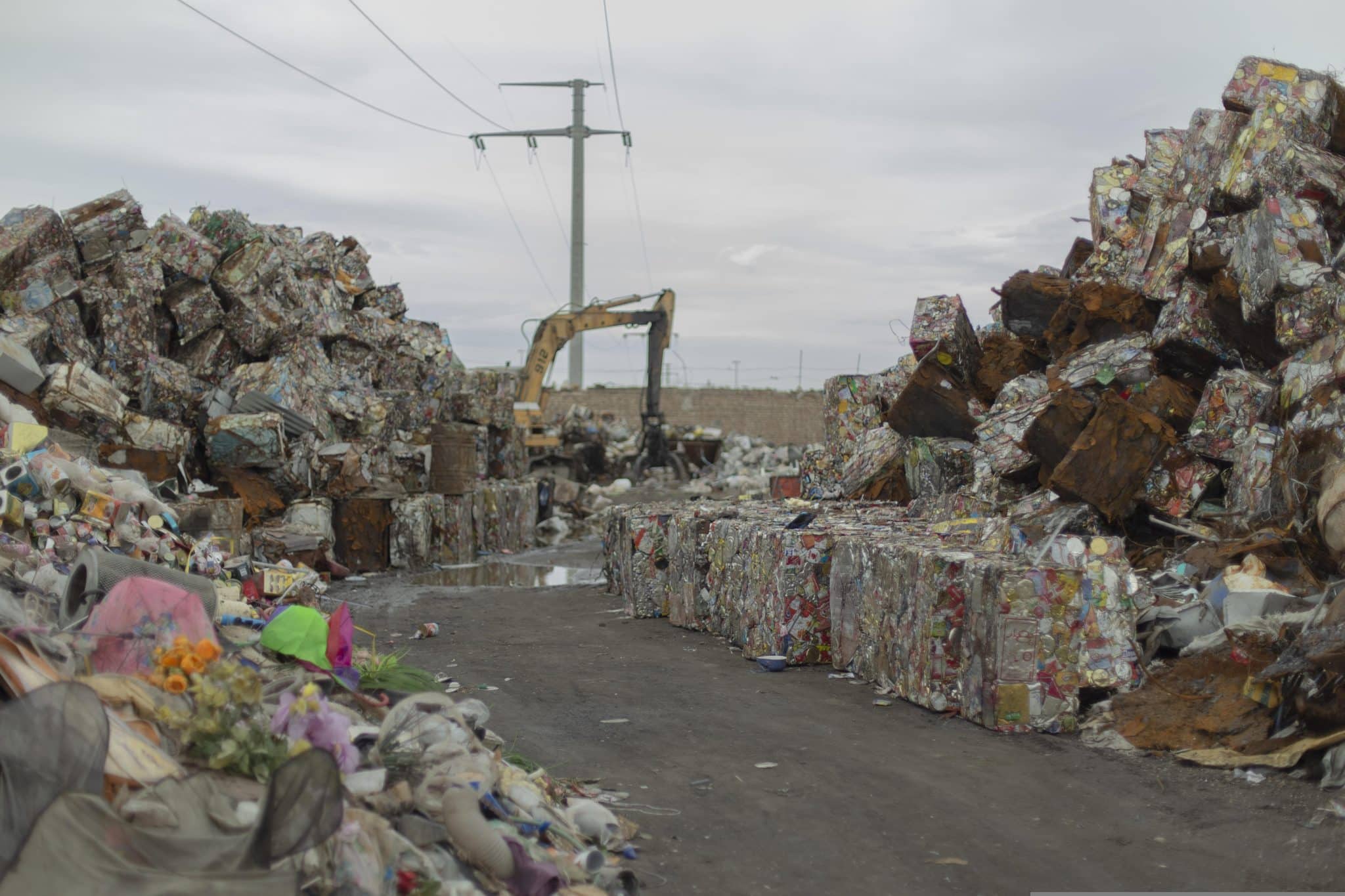
Effective waste management on construction and renovation sites is neither accidental nor solely about compliance; it is a disciplined approach that reduces costs, improves safety, and supports sustainability goals. Projects that incorporate waste-conscious planning from the earliest design meetings through final handover can shave handling expenses, minimize landfill fees, and create opportunities for material recovery. The following strategies focus on practical, scalable steps contractors, project managers, and clients can adopt to manage waste intelligently.
Planning and Waste Audits
Begin each project with a waste audit and a clear diversion target. A waste audit catalogs expected material streams—concrete, brick, wood, metals, drywall, packaging, insulation, and hazardous wastes—and estimates volumes. Audits should influence procurement decisions: ordering in bulk to reduce packaging, specifying pre-finished components to avoid on-site waste, and selecting materials with recycled content or reusable packaging. Establish targets for reuse and recycling upfront, then incorporate those into contracts, schedules, and budgets so waste reduction becomes a measurable deliverable rather than an afterthought.
Design for Reuse and Deconstruction
Design choices directly affect waste outcomes. Favor modular systems and mechanical fastenings that facilitate disassembly rather than demolition. When renovating, prioritize deconstruction over demolition to salvage doors, fixtures, cabinetry, and architectural elements for resale or donation. Salvaged materials reduce disposal volumes and often retain value that can offset project costs. Encourage clients to consider adaptive reuse of materials and components during the design review—repurposed timber, reclaimed brick, and refurbished windows all contribute to lower environmental impact and unique project character.
On-Site Segregation and Storage
Segregation at source is one of the most effective ways to increase recycling rates. Set up clearly labeled areas for different material streams and provide sufficient containers to prevent contamination. Use covered, weather-resistant storage for materials intended for reuse, and ensure sensitive items like metals and electronics are secured to deter theft. Train crews to separate wood from painted or treated wood, keep clean concrete separate from mixed rubble, and isolate hazardous wastes. Consistent, enforced separation rules reduce sorting costs downstream and improve the marketability of recovered materials.
Logistics, Drop-Offs, and Temporary Holding
Efficient logistics play a big role in keeping construction waste under control, especially when projects involve multiple phases or tight site conditions. Coordinating delivery schedules helps reduce clutter and material damage, while having a reliable dumpster rental option on-site makes it easier to manage debris as it’s generated rather than letting it pile up. Choosing the right container size and pickup frequency can prevent overflow issues and unnecessary delays, and it also keeps crews focused on the work instead of constantly rearranging waste. Over time, small adjustments like this tend to make a noticeable difference in both cost and workflow efficiency.
Recycling, Reuse, and Material Recovery
Identify local recycling options early. Concrete and masonry can often be crushed and reused as base material; metals are virtually universally recyclable; clean wood can be chipped for mulch or biomass energy; and drywall can be processed to reclaim gypsum. Establish arrangements with processors to accept segregated streams and verify their certification and processing methods to maintain compliance. For materials that cannot be recycled locally, evaluate whether donation programs or salvage dealers can take usable items. Documentation of recovery volumes and destination facilities strengthens sustainability reporting and can satisfy green building certification requirements.
Hazardous Materials and Regulatory Compliance
Hazardous wastes require special attention. Asbestos, lead-based paint, solvents, and certain adhesives must be identified through testing and removed by licensed specialists in controlled conditions. Maintain a hazardous materials management plan with chain-of-custody documentation, labels, and manifests. Failure to properly handle regulated wastes can result in heavy fines and project delays. Ensure staff are trained to recognize suspect materials and know the procedures for containment and notification. Proper segregation of hazardous from non-hazardous waste also prevents contamination of otherwise recyclable streams, preserving their value.
Training, Accountability, and Incentives
Operational success depends on people. Provide hands-on training for crews on waste sorting, damage prevention, and the correct use of designated collection points. Assign clear responsibilities—site supervisors should review daily waste logs, while subcontractors should be contractually bound to comply with the site’s waste plan. Consider performance-based incentives tied to diversion targets or cost savings achieved through material recovery. Regular feedback sessions and visual cues like signage and color-coded containers keep waste reduction practices visible and part of everyday workflow.
Monitoring, Reporting, and Continuous Improvement
Track tonnages, costs, and diversion rates throughout the project life cycle. Use simple tools such as digital logs and photographic records, or integrate waste tracking into project management software for automatic reporting. Analyze data to identify recurring sources of waste and opportunities to improve procurement, handling, or subcontractor coordination. Share lessons learned in post-project reviews, and incorporate proven measures into standard operating procedures. Continuous improvement makes future projects progressively more efficient and predictable.
Final Considerations and Long-Term Benefits
When implemented thoughtfully, waste management strategies become a competitive advantage. Reduced disposal costs, lower material purchases through salvage and reuse, improved site safety, and enhanced community relations all contribute to healthier project margins and reputation. Clients increasingly demand evidence of responsible waste handling, and many green building frameworks reward projects that demonstrate measurable diversion. By embedding practical policies—starting with audits and ending with robust monitoring—construction and renovation teams can deliver buildings that are not only well-made but also resource-conscious.