

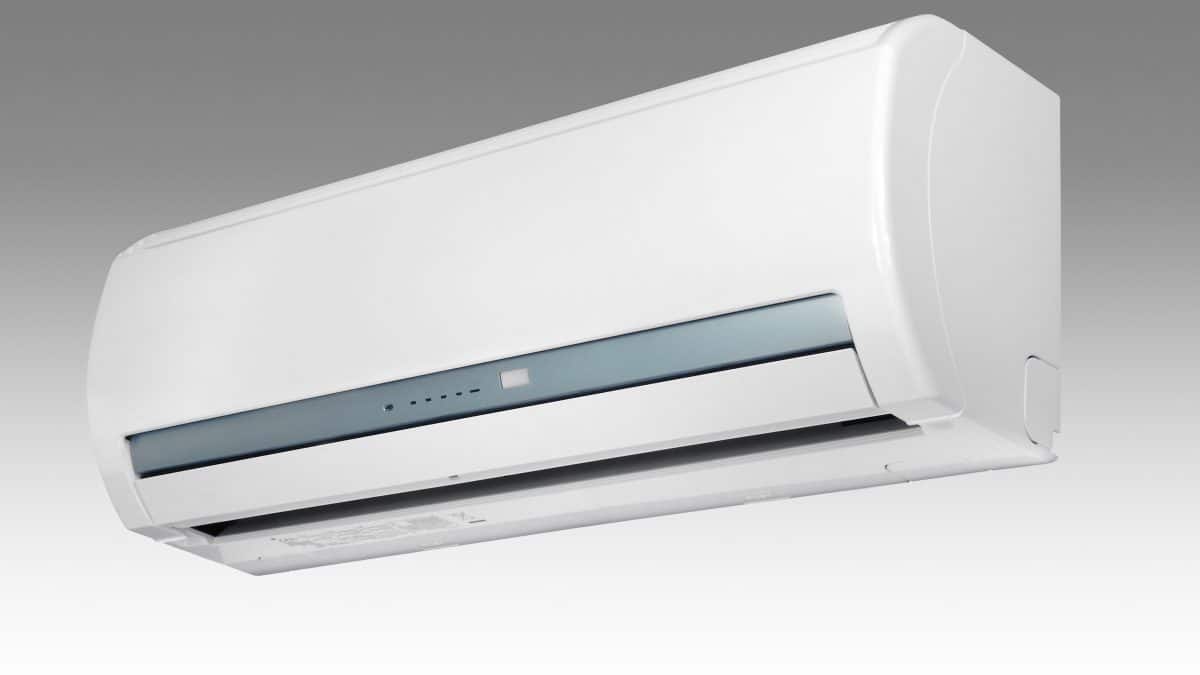
Ask anyone who’s lived through the past few UK summers and they’ll tell you: the old “just open a window” trick doesn’t cut it anymore. Homes with big windows, loft conversions, or rooms that face south turn into ovens by mid-afternoon. That’s why so many people are finally booking air conditioning, not as a luxury, but as a basic home necessity.
Getting the Sizing Right
There’s no one-size-fits-all unit. A small bedroom might only need a basic wall-mounted split system. An open-plan kitchen-diner usually requires a multi-split setup, with several indoor heads running off a single outdoor condenser.
Good installers won’t just eyeball the layout. They’ll measure the room, check the insulation, evaluate window sizes, and ask how many people typically use the space. Skip this step and you’ll regret it. A unit that is too small will run nonstop without ever properly cooling the room. If it’s too big, it cools the air so fast that it shuts off before pulling out moisture, leaving the room feeling clammy.
Brand Choice Actually Matters
Walk into any showroom and you’ll see dozens of options, but the quality gap between them is wider than most people expect. Some manufacturers build for whisper-quiet running and low energy consumption. Others cut corners to drop the price tag, which usually backfires a few years down the line when components break down.
It pays to check brand reliability before making a decision. Solid consumer guides and breakdowns of top 10 air conditioner brands can help identify which split-system models hold up over time and which ones suffer frequent breakdowns.
What Installation Actually Involves
Fitting a system involves far more than mounting a box on a wall. An installer needs to run refrigerant pipework between the indoor and outdoor units, fit a condensate drain for moisture runoff, and wire the system into its own dedicated circuit. Location matters too: placing the outdoor unit in a cramped or obstructed spot causes worse performance and higher noise levels indoors.
Most standard residential installations take one to two days, depending on room count and electrical setup. One critical rule: ensure the installer is F-gas certified. Handling refrigerant without that qualification is illegal in the UK and risks severe system damage.
Maintenance Isn’t Optional
You can’t just set it and forget it. If you’re running the unit constantly through July, pop the filters out and rinse them every couple of weeks. You’ll also want a technician to inspect the outdoor condenser once a year, mostly to clear out dirt and test the gas pressure. Skip the maintenance, and the system has to work twice as hard, which shows up fast on your power bill.
Running Costs Add Up
A cheaper unit often carries a poor energy efficiency rating, which quickly catches up with you on electricity bills. Paying a bit more upfront for a high SEER (Seasonal Energy Efficiency Ratio) rating generally pays for itself, especially if you run the cooling frequently through peak summer months.
Take the time to size the space correctly, pick a reliable manufacturer, and hire an F-gas-certified installer. A well-maintained system can easily last a decade or more, keeping your home comfortable through every future heatwave.