

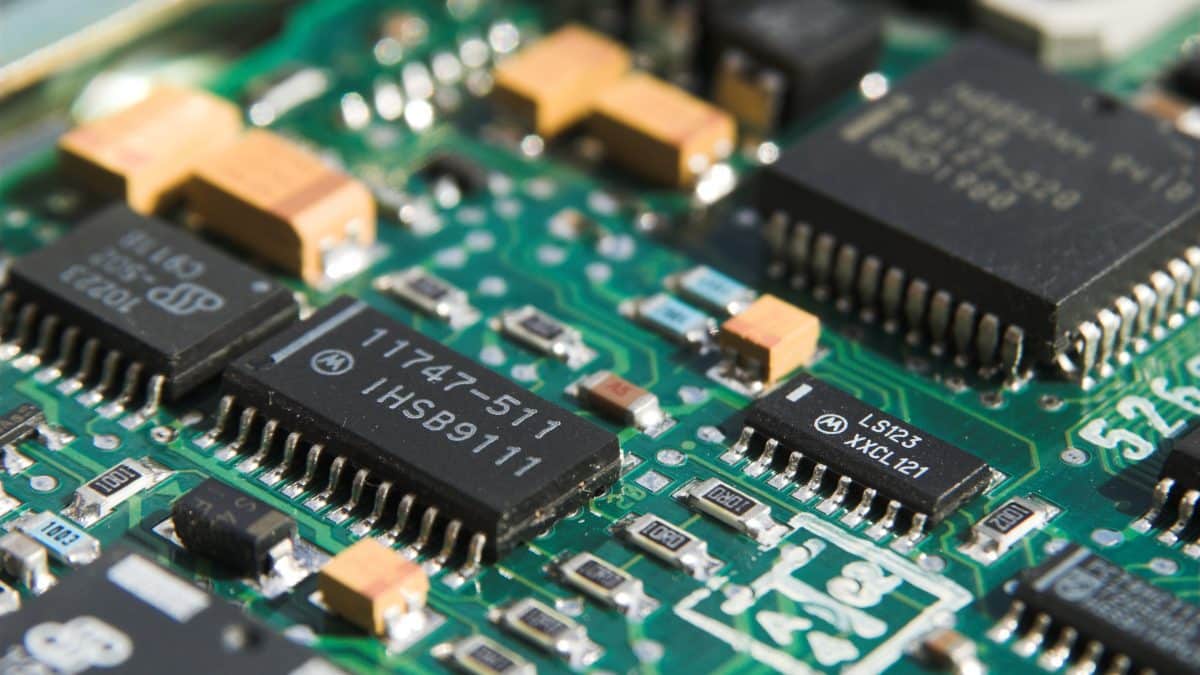
Managing electronics production through multiple suppliers can quickly become complicated. One company may fabricate the bare PCB, another may source components, while a third handles assembly and testing. Every additional supplier means more communication, purchase orders, shipping arrangements, quality checks, and opportunities for delays.
This is where turnkey PCB assembly services provide a more efficient alternative. Instead of coordinating separate vendors, manufacturers can manage PCB fabrication, component sourcing, incoming inspection, assembly, inspection, and testing through one integrated workflow.
The result is a simpler supply chain with centralized manufacturing and quality responsibility.
What Does Turnkey PCB Assembly Include?
Turnkey PCB assembly is more than simply placing components onto a circuit board. A complete turnkey process covers the major manufacturing stages from bare PCB production to a tested PCBA.
The workflow typically includes:
- PCB fabrication
- Component sourcing and procurement
- Incoming component inspection
- SMT and through-hole assembly
- Soldering and assembly inspection
- Electrical and functional testing
- Final quality control
With these stages handled by one manufacturing partner, customers do not have to continuously coordinate materials and production between separate companies.
This is particularly valuable for businesses that need a reliable path from PCB design to finished electronic assemblies.
Why Multiple Suppliers Create Manufacturing Challenges
Using different suppliers for every stage may appear flexible, but it can create hidden management costs. For example, if PCB fabrication is delayed, components may arrive before the assembly facility is ready. If a component supplier sends an incorrect part, production may stop while the issue is investigated.
Communication can also become difficult when responsibility is divided. When several companies are involved, determining whether a problem originated from PCB fabrication, component sourcing, or assembly may require additional investigation.
A turnkey manufacturer provides a single point of coordination. Instead of managing several production relationships, customers can communicate with one supplier responsible for the overall manufacturing workflow.
This centralized approach is one of the biggest advantages of choosing turnkey PCB assembly services.
A Centralized Material-Management Workflow
Material management is an important part of turnkey manufacturing. A PCB assembly project can involve hundreds of components, including resistors, capacitors, ICs, connectors, and specialized packages.
Modern manufacturing systems can provide better control over material movement and inventory. FastTurnPCB uses smart material racks and MES (Manufacturing Execution System) technology to support organized material management throughout production.
This type of system helps connect materials with manufacturing operations, making it easier to:
- Track components
- Manage inventory
- Maintain production consistency
- Reduce material-related delays
Centralized material management also reduces the need for customers to separately monitor whether PCBs, components, and assembly materials have reached different suppliers.
Incoming Component Inspection
Sourcing components is only one part of the procurement process. Components should also be checked before they enter production.
FastTurnPCB performs 100% incoming component inspection as part of its quality-control process. This provides an important checkpoint for verifying materials before assembly begins.
Incoming inspection can help identify potential issues before they affect production. Detecting a material problem early is generally more efficient than discovering it after components have already been placed and soldered onto PCBs.
By combining component sourcing and inspection within the same manufacturing workflow, a turnkey supplier can maintain greater control over material quality.
PCB Fabrication and Assembly Under One Workflow
A major advantage of turnkey manufacturing is the integration of PCB fabrication with PCBA production. Instead of purchasing bare boards independently and then sending them to another company for assembly, both stages can be coordinated through one manufacturing partner.
FastTurnPCB provides both PCB and PCBA manufacturing services. This integrated capability helps simplify production planning and communication.
When PCB fabrication and assembly are connected, manufacturing teams can coordinate:
- Material requirements
- Production schedules
- Quality checks
- Assembly requirements
It can also reduce unnecessary transportation between different suppliers.
For customers, the process becomes easier to manage because there is one primary manufacturing workflow instead of several disconnected stages.
Automated Inspection Throughout Assembly
Quality control should continue after components arrive at the manufacturing facility. Modern PCB assembly requires inspection at multiple stages to identify problems before they become larger production issues.
FastTurnPCB uses 100% SPI and 3D AOI inspection:
- SPI (Solder Paste Inspection): Helps verify solder paste application.
- 3D AOI (Automated Optical Inspection): Helps identify assembly defects after component placement and soldering.
- X-Ray inspection: Provides additional inspection for assemblies containing hidden solder joints.
X-Ray inspection can be particularly important for packages such as BGA and QFN, where conventional optical inspection cannot fully examine the connections.
Using SPI, 3D AOI, and X-Ray inspection as part of an integrated production process helps establish consistent checkpoints throughout manufacturing.
Testing Before Final Delivery
Inspection and testing are also important parts of a complete turnkey workflow. A board that looks correct visually may still have an electrical or functional problem.
Depending on the project, testing can help verify whether the completed PCBA performs according to its intended requirements.
Combining assembly, inspection, and testing under one supplier allows quality information to remain connected throughout the manufacturing process. This centralized responsibility can make it easier to identify and resolve issues because the same manufacturing organization manages multiple stages of production.
Faster PCBA Production
Turnkey manufacturing can also help reduce unnecessary delays between production stages. When PCB fabrication, material management, assembly, and inspection are coordinated within one workflow, there is less dependency on transferring work between unrelated suppliers.
FastTurnPCB supports PCBA production with turnaround times of approximately 2–3 days, depending on project requirements.
For companies developing prototypes or preparing products for production, a shorter manufacturing cycle can make it easier to:
- Evaluate designs
- Identify issues
- Make necessary revisions
- Move toward the next development stage
From Prototype to Production With One Manufacturing Partner
A reliable turnkey process can support more than one-time assembly orders. It can provide a consistent manufacturing path as an electronic product moves from prototype development toward larger production volumes.
Engineering teams can work with the manufacturing provider to address:
- Manufacturability concerns
- Material requirements
- Assembly considerations
Once the design is ready, the same supplier can coordinate PCB fabrication, component sourcing, assembly, inspection, and testing.
This continuity can reduce the need to repeatedly transfer information between different vendors.
Why Choose a One-Stop PCB Manufacturing Workflow?
The main benefit of turnkey PCB manufacturing is simplicity. Instead of managing separate suppliers for boards, components, assembly, and quality control, customers can work with one manufacturing partner.
A well-organized turnkey workflow can provide:
- One point of communication
- Centralized material management
- Coordinated PCB and PCBA production
- 100% incoming component inspection
- Automated SPI and 3D AOI inspection
- X-Ray inspection for suitable assemblies
- Faster production coordination
- Centralized quality responsibility
For electronics companies, these advantages can reduce supply-chain complexity while improving visibility across the manufacturing process.
Ultimately, turnkey manufacturing is about creating one connected path from materials to a finished, tested PCB assembly. By bringing PCB fabrication, component sourcing, inspection, assembly, and testing together, manufacturers can spend less time coordinating suppliers and more time focusing on product development.
For companies looking for an integrated manufacturing partner, FastTurnPCB offers a one-stop approach to PCB and PCBA production, combining material management, assembly, inspection, and fast-turn manufacturing within a coordinated workflow.