

Choosing between laminate and engineered wood flooring is one of the most common dilemmas for UK homeowners. If you’re wondering whether laminate or engineered wood flooring is better, the answer depends on your budget, lifestyle, and design preferences.
Laminate or Engineered Wood Flooring: Core Differences
To choose the right option, it’s important to understand the key differences in structure and performance.
Laminate flooring is a synthetic product made from compressed fibreboard with a printed wood-effect layer and a protective top coating. It’s designed to be durable, scratch-resistant, and easy to maintain.
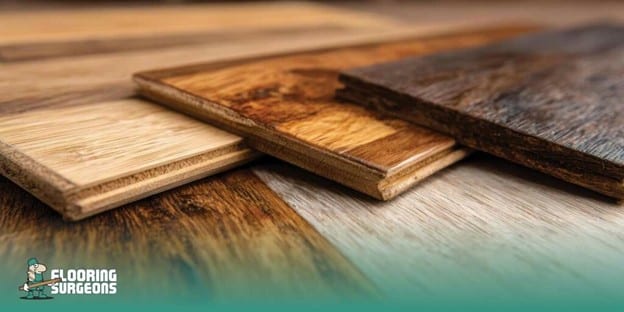
Engineered wood features a real hardwood surface bonded to multiple layers of plywood, giving it the authentic look and feel of natural wood with added stability.
So, which is better: laminate or engineered wood? Let’s transition to a quick comparison:
- Material & Feel:
Laminate is synthetic and harder, while engineered wood feels warmer and more natural. - Appearance:
Laminate uses printed designs; engineered wood has real wood grain. - Durability:
Laminate resists scratches better, while engineered wood can be refinished. - Water Resistance:
Laminate handles moisture better; engineered wood needs more care. - Cost:
Many buyers start with cheap laminate flooring due to its affordability, while engineered floors offer higher long-term value.
In short, laminate is practical and budget-friendly, while engineered wood is more premium and visually authentic.
Quick Step Laminate or Engineered Wood: Brand Comparison
When comparing Quick-Step laminate to engineered wood, Quick-Step laminate is known for its durability, scratch resistance, and easy-click installation system, making it ideal for DIY projects. Meanwhile, their engineered wood collections provide a more authentic finish, richer textures, and improved stability, making them perfect for those seeking a high-end, long-lasting flooring solution with natural appeal.
Laminate or Engineered Wood in Kitchen: Practical Choice
Kitchens require flooring that can handle moisture and heavy use. When considering laminate or engineered wood in the kitchen, laminate is generally more resistant to spills and humidity. However, engineered floors can still be used if they are properly sealed, regularly maintained, and protected from excessive standing water.
Comparison Table: Laminate vs Engineered Wood
| Material | Synthetic fibreboard + print layer | Real wood veneer + plywood base |
| Appearance | Wood-look design | Natural wood grain |
| Water Resistance | High | Moderate |
| Durability | Scratch-resistant | Can be refinished |
| Cost | Budget-friendly | Higher upfront cost |
| Installation | DIY-friendly | Often requires professionals |
| Lifespan | 10–20 years | 20–40+ years |
Final Verdict: Which Flooring Is Better?
Ultimately, choosing laminate or engineered wood flooring comes down to your priorities. If you want affordability and low maintenance, laminate is a smart choice. If you prefer authenticity and long-term investment, engineered wood is the better option.