
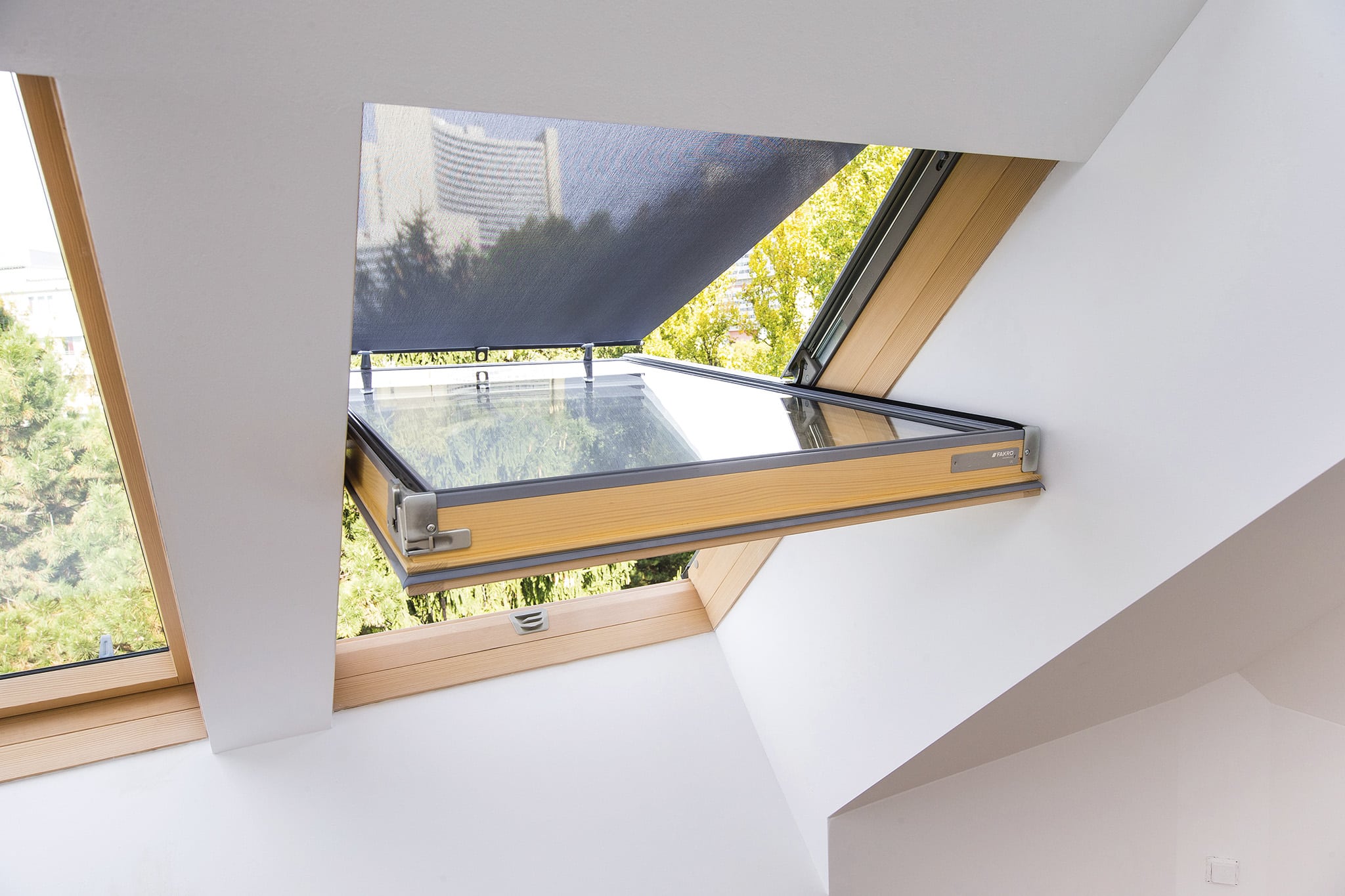
A loft can feel comfortable one day and slightly off the next. In most cases, it is not just about temperature, but about air. When airflow is limited, heat builds up faster, and moisture stays longer. That is when the space starts to feel heavy without an obvious reason.
Ventilation in an attic is something you notice over time. It affects how easy the room is to use and how comfortable it feels during longer periods of the day.
Why ventilation matters more in a loft
Air behaves differently under the roof. Warm air rises and collects in the highest part of the house. If it cannot escape, the loft heats up quickly, especially in warmer months.
At the same time, everyday use increases humidity. Sleeping or working adds moisture to the air. Without proper loft ventilation, it can slowly build up, leading to condensation. In practice, poor airflow often shows up as:
- rooms heating up faster than expected
- air feeling stale in the evening
- humidity lingering longer
- lower indoor air quality
This is why the way windows work matters more here than in standard rooms.
How centre pivot roof windows support airflow
With centre pivot roof windows, the sash rotates within the frame. This allows air to move more naturally, even when the window is not fully open.
Instead of one direct stream, airflow becomes more balanced. Fresh air enters while warmer air leaves at the same time. In everyday use, this means:
- quicker air exchange
- less need to adjust the opening
- a more stable feeling during the day
Because of this, centre pivot roof windows are often chosen where ventilation should simply work in the background.
3 ways to create a healthier loft climate
Improving airflow does not have to be complicated. A few simple habits usually yield better results than a single big change.
- Let warm air escape when it builds up. Even a small opening higher in the roof can help reduce heat without using mechanical systems.
- Ventilate more often, but for shorter periods. Instead of opening everything wide once a day, regular airflow keeps indoor air quality more stable.
- Pay attention to moisture. Humidity builds up gradually, so removing it early makes a noticeable difference in how the space feels.
Everyday use: what actually changes
The difference is not dramatic at first, but it builds over time.
| Situation | Without good airflow | With better ventilation |
| Morning air | slightly stale | fresher and lighter |
| Temperature | rises quickly | changes more gradually |
| Humidity | stays longer | clears faster |
| Comfort | uneven | more consistent |
These are small shifts, but they affect everyday comfort.
Why condensation should not be ignored
Over time, moisture can start to linger instead of clearing quickly. It is not always obvious at first, but in rooms used every day, the difference becomes easier to notice. When air moves more regularly, this usually improves on its own. The space feels lighter and less heavy, even without changing anything else. Some signs are quite easy to spot:
- moisture on the inside of the window
- a slightly heavy feeling in the air
- a faint musty smell
- damp patches near colder surfaces
If these appear often, it usually means the room needs steadier airflow rather than occasional airing.
A practical way to approach it
The goal is not to control every detail, but to make the room easier to live in. In practice, it is often small decisions that make the biggest difference over time. When airflow works naturally, the space simply feels more balanced without constant adjustment.
If you want to see how these solutions are applied in real projects, it is worth looking at centre pivot roof windows available in the Fakro range, where different setups are shown in everyday use. This makes it easier to understand how ventilation and layout work together in real spaces.
With the right setup, ventilation stops being something you think about. It simply becomes part of how the loft works every day.