

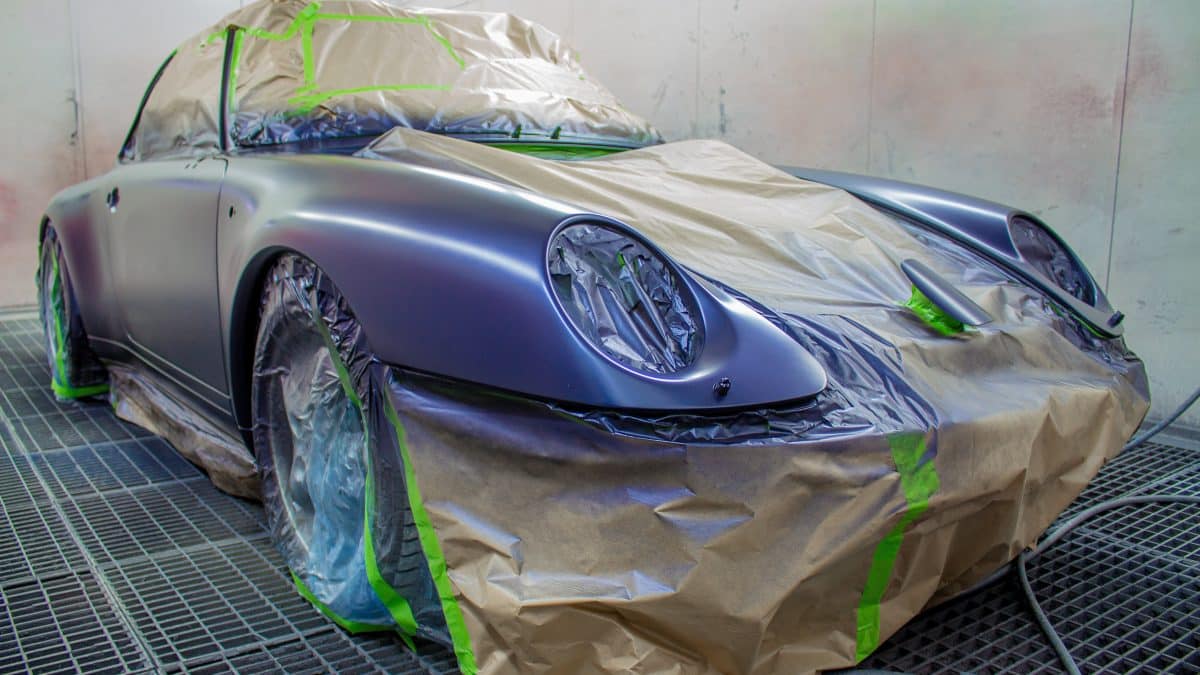
The frequent painting errors of first-time car owners are using the wrong washing materials, letting chips go untreated, which leads to rust, doing touch-ups with the wrong color paint, and parking in areas of possible damage to the clear coat. It’s simple to avoid any of them but they will cost you one way or another through poor paint condition and reduced market value of your car. Actually, great car paint care is mostly a matter of preventing deterioration and not doing great tricks.
Besides, the truth is these blunders do make a lot of trouble, you ought to know that car paint layers are so thin and delicate that a simple sheet of paper would be quite as thick as them. Primer, color, and clearcoat together form a layer of paint only 100 to 150 microns of which clear layer being the last defense against the sunlight, roadway salt, and grit. If you recklessly scratch the clearcoat layer, the color will be soiled and you will be left to do some repairs which you could easily prevent had you known just a little more.
Washing Your Car the Wrong Way
Of all possible errors, the leading causes are the finest scratches made to the paint during the process of washing the car. By using a simple household sponge, dry towels, or a single bucket of getting dirtier water, the grit gets dragged across the clear coat, and those tiny little scratches, which are known as swirl marks, over time, lead to the finish getting dulled, appearing as a hazy web you will easily recognize under direct sunlight. Automatic car washes with stiff brushes are also among the worst, causing swirl marks
Getting away from the problem is almost without cost and takes only marginal extra time. Firstly, get rid of the loose grit on the vehicle by the process of rinsing it, then wash with the help of a good-quality wash mitt and the two-bucket technique (one for clean soapy water; the second bucket is for rinsing off the dirt from your wash mitt so that you are not reintroducing dirt to your paint). Washing from the top to down is a method that always works, because the lower panels are always the last to dry, and dry the vehicle with soft microfiber instead of letting the hard water spots become permanently on it.
It is just as critical to be timely and frequent about the process. Washing the car on very bright sunny days may result in the shampoo and water drying faster than you can rinse, leaving unsightly mineral deposits and streaks. When cold season comes, washing off the road salt is much more important than achieving an immaculate finish because salt sitting on paint and in chips promotes corrosion. A quick rinse after having driven on salted roads is more valuable than giving your car a full detail once a month.
Ignoring Small Chips and Scratches
Stone chips on the bodywork are usually ignored by new car owners since they are so small and seem unimportant, but such a casual approach is a costly error eventually. Once a chip wears through the clear coat and reaches the bare metal layer, the moisture and salt can reach the steel and, in a damp climate, surface rust may show signs after just a few weeks. The area that was once just a tiny spot has now grown underneath the paint and the layer has also been peeled, so what initially looked like a quick fix is now a total resurfacing of the panel with a price tag between 80 and 300 at a repair shop.’
The practice of preventing this is simply glancing at the front panels of your car for any damage when washing your car. Since these areas, viz. the bonnet, the leading edge of the wings, the lower doors, and the sills, get the most hits from the road, it’s the chips you’d find most of there. Sealing a new chip you’ve just made is easy while, if you come across one late, after six months, say, your first move would probably be to remove the existing rust by grinding. Scratches work based on the same principle.
A scratch that is light and only affects the clear coat can many times be polished out but, for those that affect the colour or metal, they have to be sealed before they result in damage that can corrode the metal. To know which one you have is a fingernail test: if the scratch is noticeable enough that your nail picks up on it, then it needs paint and not polish.
Using the Wrong Touch-Up Paint
When first-time owners do decide to repair a chip, the usual error is grabbing a generic bottle in roughly the right colour and dabbing it on thick. The result is often more noticeable than the chip, because the shade is slightly off and the blob sits proud of the surrounding surface. A silver that’s a fraction too warm or a black that’s flat rather than metallic stands out under sunlight no matter how neat the application.
The right approach starts with your paint code, printed on a sticker inside the driver’s door frame or under the bonnet, which identifies the exact factory colour rather than an approximation. If you want to see how a proper colour-matched kit with primer, blended paint, and clear coat is meant to work, check this out, because the layered, blended method is what makes a repair disappear rather than announce itself. Thin coats, curing time between them, and a gentle polish afterwards beat one thick dab every time.
Patience is the part beginners skip. Two or three light passes with drying time, then a day or two of curing before you level and polish, produce a finish a casual observer won’t spot. Rushing any stage is the most common reason a home repair looks worse than the original damage, which defeats the whole point.
Parking and Everyday Habits That Wreck Paint
Much of the painting damage is due to the user himself by the place and manner of the car being parked whereas new owners don’t usually think about it until it’s way too late. Parking under trees is a real trap as it brings down sap and bird droppings both are acidic and if left for a few days, can even make etch marks in the clear coat. The worst part about sap is that once it has been heat-bonded, it is really difficult to clean off. Bird droppings on very hot paint that are left for a weekend will make a permanent black spot which even polishing will not remove completely.
Shallow supermarket parking spaces will also quietly be the cause of major damage from a few different areas. It’s quite likely, for example, that you’ll have to open your door and get a car door ding if your car park has two car spaces, or you’ll receive damage from trolleys if it’s a supermarket. Getting into and out of a tight car park will chip the paint and scratch it, so opting to park at one end of the car park or picking a spot that isn’t crowded truly helps to reduce the risk of paintwork damage.
According to the place you are and your driving style, environmental factors may play a different role. For example, coastal car owners are constantly dealing with salt-laden air that corrodes the materials, motorway drivers collect far more stone chips than those who drive inside town. People who park on the street in tree-falling areas are always dealing with sap and bird droppings. If the conditions allow, matching your habits with the environment you operate in like a tree canopy cover, frequent washing in winter near the coast, is the paintwork protection from the wear that will result from the unique aspects of your lifestyle.