

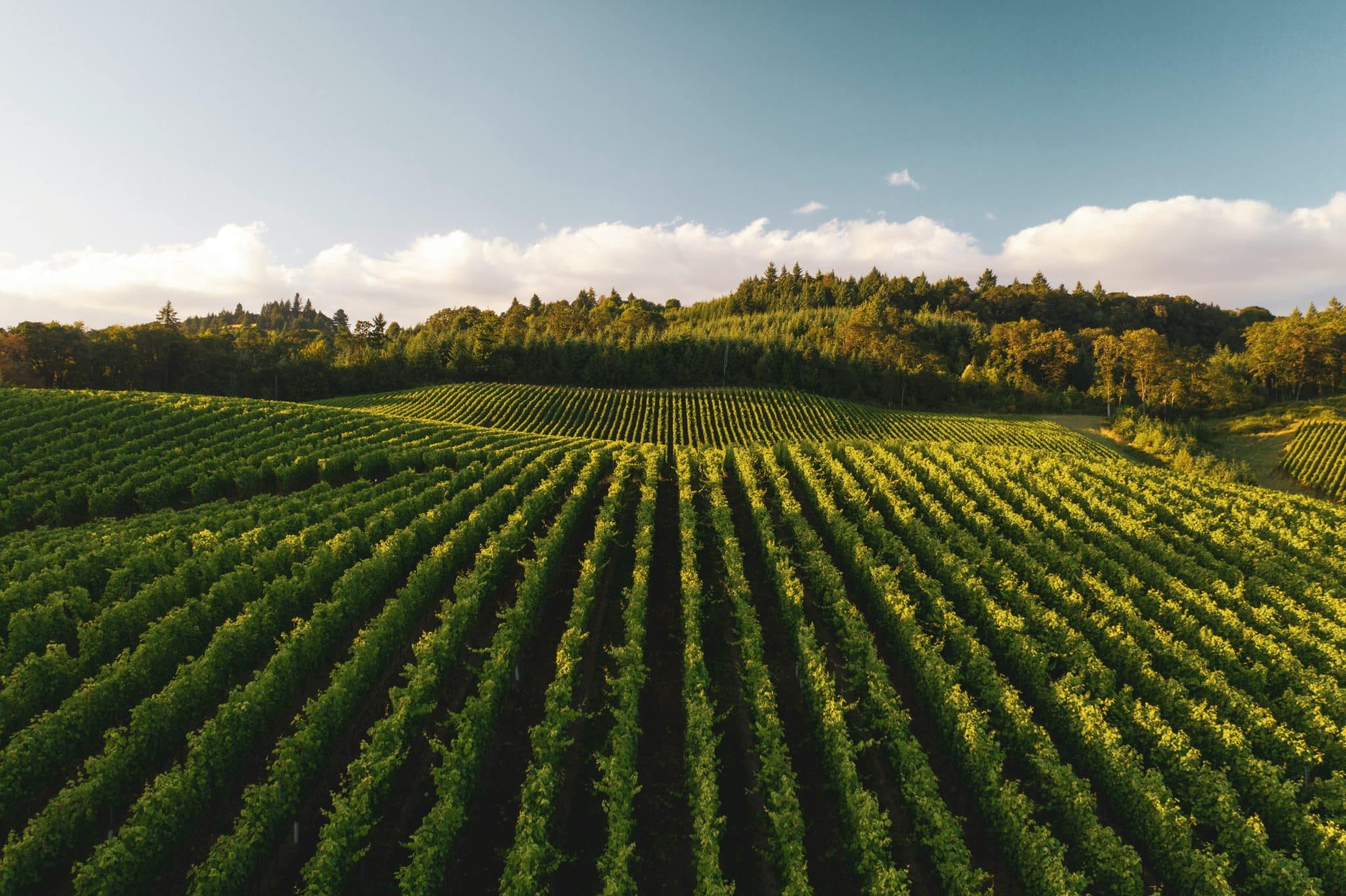
Farming is easy to overlook when you only see the finished food in a shop or cafe. Fields, yards, machinery, livestock and early starts sit behind many of the routines towns and villages rely on. The milk in the fridge, the eggs at breakfast, the meat at the butcher and the produce on a market stall all begin with work that often happens out of sight.
Local farming matters because it keeps skills, money, work and food connections close to home. It also gives rural places a working identity that’s deeper than scenery. Farms support suppliers, seasonal workers, local shops, shows, schools and family businesses that have grown around the land. When that working link is valued, towns and villages feel less like places that simply look rural and more like communities with roots, trade and purpose.
Food Links People to Place
Buying local produce is not only about taste, although that helps. It reminds people that food comes from soil, weather, labour and knowledge, not simply from shelves. That connection can change how people value food, especially when they meet the person who grew it, reared it or brought it to market. Direct selling can keep money and jobs closer to the land, and Britain’s farm shops show how much that local link can matter to rural villages and nearby towns.
Farms Support More Than Farmers
A working farm buys, repairs, sells, hires and collaborates. It may use local mechanics, hauliers, fencing contractors, feed merchants, accountants, vets and seasonal workers, which keeps money moving through a wider network. That network is easy to miss because it is spread across yards, lanes, workshops and small businesses rather than gathered in one high street. Reliable farm supplies keep that system moving, from daily livestock needs to equipment that helps land and buildings stay productive.
Rural Shops and Markets Build Habits
A farm shop, village market or produce stall gives people a reason to stop, talk and return. These habits support community life as well as food sales, especially in places where other services have disappeared. Local food outlets can become meeting points, employers and showcases for smaller producers, which is why farm shops as rural community anchors matter beyond the weekly shop.
Farming Keeps Local Skills Visible
Children and young people benefit from seeing that farming involves science, machinery, animal care, business, weather knowledge and environmental responsibility. It’s not a single old-fashioned job, but a mix of skills that keeps changing. School visits, shows and conversations with local producers can make those skills visible in a way a supermarket aisle never could. When farms remain visible, communities are more likely to understand the pressure behind food production and the choices farmers have to make.
Towns and villages may look separate, but they rely on each other through markets, cafes, schools, suppliers and customers. Local farming keeps that connection alive by making food, land and rural skills part of everyday life. Support doesn’t have to be dramatic. Choosing a local stall, visiting a farm shop or understanding the work behind the food all help keep farming visible, not hidden behind the supermarket shelf.