

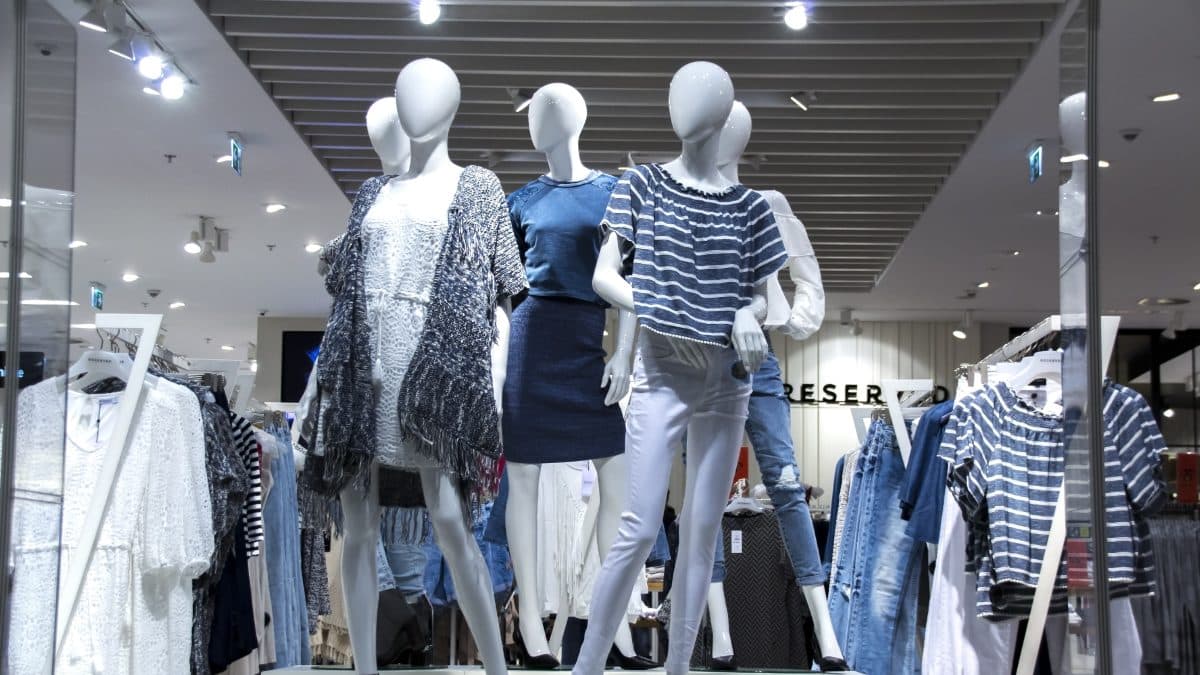
Launching a private label line sounds simple in theory. Pick a style, add your logo, sell it under your own brand. In practice, the gap between a factory that understands private label work and one that only handles basic bulk orders shows up fast, usually in the form of inconsistent sizing, generic packaging, or a rushed first batch that doesn’t match the sample.
Finding the right private label clothing manufacturer means looking past the price quote and checking whether a factory actually has the infrastructure to support a brand launch, not just a one-off bulk order.
Quick Answer: What Makes a Manufacturer Suitable for Private Label?
A private label clothing manufacturer needs to support custom branding elements like neck labels, care labels, hangtags, and branded packaging, alongside standard production capabilities such as cutting, sewing, printing, and quality control. For brands using searches such as garment manufacturer China, clear MOQs, documented specifications, and realistic sampling timelines should be confirmed before bulk production.
Why Private Label Sourcing Differs From Basic Bulk Orders
A basic bulk order just needs a factory that can produce a garment to spec. Private label sourcing needs more: the factory has to handle custom labeling, packaging, and often small style modifications, all while keeping every batch consistent enough that customers never notice a difference between orders.
This is where working with an experienced garment manufacturer in China can make the process easier. The supplier should document label placement, hangtag specifications, packaging requirements, and approval standards before bulk production so branding details remain consistent across the order.
Brands newer to private label sourcing also tend to underestimate how much documentation and communication this process requires compared to a plain bulk order. Confirming label specs, packaging details, and branding placement in writing before production starts prevents a lot of back-and-forth once units are already cut.
Key Benefits of Working With a Private Label Specialist
Custom branding built into production. Neck labels, care labels, hangtags, and branded polybags get handled as part of the standard process rather than an afterthought.
Consistent quality across launches. A factory experienced with private label work applies the same quality checks whether it’s a first order or a fifth restock.
Flexibility for small modifications. Adjusting a fit, color, or trim detail on an existing style is usually more accessible for a private label specialist than requesting a fully custom design from scratch.
Faster path to market. Building on an existing base style instead of developing an original pattern significantly cuts development time before a product launches.
Buying Guide: What to Evaluate Before Ordering
| Factor | Why It Matters |
| Private label capabilities | Confirm which private label items are managed by the manufacturer, which are sourced from specialist suppliers, and whether separate MOQs, setup costs, or lead times apply. |
| MOQ per style | Ready-made styles with basic customization often have lower minimums than fully custom designs |
| GSM and fabric options | Fabric weight should match the garment type: lighter for everyday wear, heavier for streetwear or outerwear |
| Sample lead time | Ask how long a labeled, packaged sample takes, not just a blank garment sample |
| Bulk production lead time | Confirm this runs separately from sample approval and shipping timelines |
| In-house vs outsourced stages | Ask specifically which parts of production, cutting, sewing, printing, QC, happen on-site |
| Documentation process | A factory that documents label specs and packaging details in writing reduces miscommunication |
If your brand plans to reorder the same style regularly, confirm the factory retains your label files, packaging specs, and fabric sourcing details for faster future orders.
Common Mistakes to Avoid
Approving a sample without labels or packaging. A blank garment sample doesn’t confirm how your branding elements will actually look on the finished product.
Assuming every factory handles private label work the same way. Some manufacturers specialize heavily in this area, while others treat it as a secondary service with less attention to detail.
Ignoring GSM specifics for the garment type. A fabric weight that works for a basic tee might feel thin or cheap for a premium private label piece.
Underestimating the documentation needed. Skipping written confirmation of label placement, size specs, and packaging details often leads to costly revisions after bulk production starts.
Expert Tips
Request a fully labeled and packaged sample, not just a blank garment, before approving bulk production. This is the only way to confirm how your branding will actually appear on the finished product.
Ask how long the manufacturer has handled private label production and request relevant product examples, label samples, or production videos. Experience is useful, but sample accuracy and documented quality control are stronger evidence than client count alone.
Confirm GSM options based on the intended fit, climate, and product category. 180–220 GSM is common for everyday T-shirts, while 240–300 GSM is often selected for structured, oversized, or heavyweight streetwear styles. Yarn quality, knitting density, shrinkage control, and finishing are also important.
Why Choose Unit Hundred
Unit Hundred’s apparel manufacturing operations date back to 2001. Cutting, sewing, screen printing, embroidery, packaging, and quality control are directly managed across its production facilities, helping brands maintain consistent specifications from sampling through repeat orders.Private label options include neck labels, care labels, size labels, hangtags, branded polybags, barcode stickers, and custom cartons. Some items may have separate minimum quantities, setup costs, or production lead times depending on the specification.
Ready-made styles with printing or embroidery typically start from 50 pieces, while fully customized private label designs usually start from 100 pieces per style. Standard samples generally take 3 to 7 working days, with bulk production running 7 to 20 working days after sample approval, depending on fabric availability and customization complexity.
FAQs
What’s the difference between a basic bulk order and private label sourcing?
Private label sourcing includes custom branding elements like labels, hangtags, and packaging, while a basic bulk order typically just produces the garment itself without brand-specific customization.
What’s a typical MOQ for private label clothing?
Ready-made styles with printing or embroidery often start from 50 pieces, while fully customized private label designs typically require around 100 pieces per style.
How long does a labeled sample take to produce?
Standard samples generally take 3 to 7 working days, though private label samples with custom labels and packaging may take slightly longer depending on complexity.
What GSM should I choose for a private label garment?
180–220 GSM is common for everyday T-shirts, while 240–300 GSM is often used for structured, oversized, or heavyweight streetwear styles. Higher GSM does not automatically mean better quality.
Can a garment manufacturer in China handle custom packaging?
Many established manufacturers offer branded polybags, hangtags, custom cartons, and barcode stickers as part of a full private label production package.
How long does bulk production take after sample approval?
Bulk production generally runs 7 to 20 working days depending on fabric availability, order volume, and customization complexity, with shipping calculated separately.
What common issues should I watch for in private label production?
Label placement inconsistencies, packaging defects, and fabric shrinkage across a batch are common issues, which is why approving a fully labeled and packaged sample matters before bulk production begins.
Conclusion
Choosing the right private label clothing manufacturer requires confirming branding capabilities, MOQ, fabric specifications, sample approval, and production timelines before bulk production. A dependable garment manufacturer in China should treat labels, packaging, and repeat-order consistency as documented parts of the production process rather than last-minute additions.