

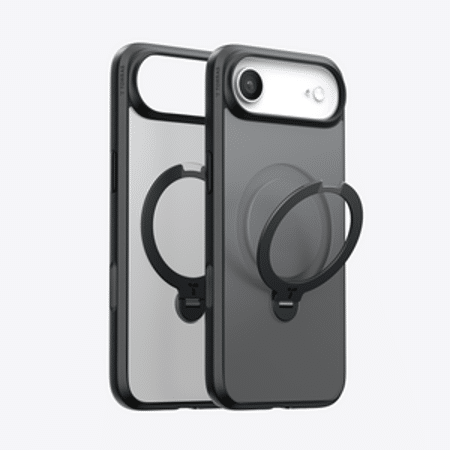
Apple’s iPhone 17 Air represents a triumph of industrial design—impossibly thin, elegantly crafted, and begging to be admired. It’s the kind of phone you want to show off, not hide behind layers of bulky armor. Yet the reality of daily life means drops, scratches, and the inevitable collision with hard surfaces. This creates a genuine dilemma for anyone who picks up this device: how do you protect something this beautiful without concealing what makes it special in the first place? Transparent cases promise the best of both worlds, but can they actually deliver meaningful protection, or are they merely aesthetic compromises disguised as safety solutions? The answer isn’t as straightforward as marketing materials suggest. In the sections ahead, we’ll examine what separates a truly protective transparent case from a decorative shell by exploring drop-test performance, impact absorption technology, raised edge design, and the long-term durability challenges that every clear case eventually faces.
The Allure of Transparent Phone Cases for Casual Users
There’s a reason transparent cases dominate the accessories market, and it goes beyond simple practicality. When someone invests in a device as visually striking as the iPhone 17 Air, the last thing they want is to bury its carefully engineered finish beneath an opaque slab of rubber. The phone’s ultra-slim profile, its color, its material choices—these are deliberate design decisions that communicate something about the person carrying it. A transparent case respects that intention in a way no other case style can.
For casual users who aren’t necessarily tech enthusiasts but appreciate good design, the appeal is deeply intuitive. You get to enjoy the phone as Apple designed it while adding a layer of reassurance against everyday mishaps. There’s also the personalization factor—transparent cases let you slip in photos, pressed flowers, or decorative inserts between the case and the phone, creating something uniquely yours without permanent modification.
The popularity also stems from versatility. A clear case pairs with any outfit, any setting, any mood. It never clashes, never dates itself, and never draws attention away from the device it’s meant to complement. In professional settings and casual environments alike, it simply works.
But this universal appeal comes with a question that many buyers overlook in the moment of purchase: does looking good mean sacrificing genuine protection? The thinnest, most crystal-clear cases often achieve their transparency by using minimal material, which raises legitimate concerns about how much punishment they can actually absorb. Not every transparent case is created equal, and understanding what separates a protective option from a purely cosmetic one requires looking beneath the surface—literally examining the engineering choices that determine whether your phone survives its next encounter with a tile floor.
Decoding Protection: Essential Features in Transparent Cases
Not all transparent cases deserve to be called protective. The difference between a case that merely covers your iPhone 17 Air and one that genuinely shields it comes down to specific engineering choices that aren’t always visible at first glance. Understanding these features helps you separate marketing hype from measurable safety performance.
Understanding Drop-Test Information for Real-World Safety
Drop-test ratings tell you how far a phone can fall onto a hard surface while remaining undamaged inside the case. These tests typically follow military standards like MIL-STD-810G, which involves repeated drops from roughly four feet onto concrete. When evaluating a transparent case for your iPhone 17 Air, look for specific height ratings rather than vague claims about “superior protection.” A case rated for six-foot drops offers meaningfully more security than one rated for four feet. Be cautious with unverified claims—reputable manufacturers either conduct third-party testing or publish detailed methodology. User-generated drop tests on video platforms can supplement official data, showing how cases perform in less controlled scenarios that more closely mimic real accidents like tumbling off a nightstand or slipping from a jacket pocket onto pavement.
The Critical Role of Raised Edges in Screen Protection
When your iPhone 17 Air lands face-down, the only thing standing between that gorgeous display and a shattered mess is the lip of your case. Raised edges—sometimes called bezels or lips—create a small buffer zone that prevents the screen and camera lenses from making direct contact with flat surfaces. For effective protection, look for cases with at least 1.2mm of elevation around the screen and a slightly higher ridge around the rear camera module. This seemingly minor detail makes an enormous practical difference during face-down drops and also protects against scratches when you place the phone on tables, countertops, or other abrasive surfaces throughout the day. The best transparent cases integrate these raised edges smoothly into the overall design rather than creating awkward ridges that catch on pockets.
Impact Absorption: Materials and Technology Behind the Scenes
The material composition of a transparent case determines its ability to absorb and disperse impact energy before it reaches your device. Thermoplastic polyurethane (TPU) remains a popular choice for its flexibility and shock-dampening properties, while hybrid designs combine rigid polycarbonate backs with softer TPU bumpers for both clarity and cushioning. Advanced cases incorporate air-cushion technology—small pockets of air engineered into the corners that compress on impact, dramatically reducing the force transferred to the phone. Some manufacturers use dual-layer construction where an inner microstructure dissipates energy across a wider area rather than concentrating it at the point of impact. For the ultra-thin iPhone 17 Air specifically, these technologies matter even more because the device’s slim chassis has less internal space to flex without component damage.
Addressing Durability Concerns: Yellowing and Long-Term Use
Every transparent case faces an unavoidable enemy: time. That pristine clarity you admire on day one gradually gives way to a yellowish tint that makes your iPhone 17 Air look like it’s wrapped in aged cellophane. This discoloration happens because most clear case materials—particularly TPU—undergo a chemical reaction when exposed to ultraviolet light and the natural oils from your hands. Heat accelerates the process, meaning cases carried in warm pockets or left on sun-facing dashboards yellow faster than those kept in cooler conditions.
Manufacturers have responded with anti-yellowing treatments that slow this degradation considerably. Brands like TORRAS apply UV-resistant coatings and modify base polymer formulas to resist oxidation at a molecular level, while others rely on simpler surface treatments. Cases marketed with “anti-yellow” or “non-yellowing” claims vary widely in effectiveness—premium options may maintain clarity for a year or longer, while budget alternatives can start turning within weeks. The key indicator is material quality; cases using aliphatic TPU compounds resist yellowing far better than those using aromatic variants, though this distinction rarely appears on packaging.
You can extend your case’s clear lifespan with straightforward habits. Wipe it down weekly with mild soap and water to remove oil buildup, avoid prolonged direct sunlight exposure, and remove the case periodically to clean trapped debris that can cause micro-scratches dulling the surface. When yellowing eventually becomes noticeable despite your efforts, replacing the case is simply part of the ownership cycle. Budget-conscious buyers might plan for a replacement every six to nine months, treating transparent cases as a renewable accessory rather than a permanent investment—a small price for continuously showcasing the iPhone 17 Air’s design in its best light.
Step-by-Step Guide to Choosing the Best Protective Transparent Case
Finding the right transparent case for your iPhone 17 Air doesn’t require expertise—just a systematic approach that weighs the factors most likely to affect your daily experience. Start by establishing your minimum acceptable drop-test rating. If you’re someone who frequently uses their phone while walking, cooking, or commuting, prioritize cases tested at six feet or higher on hard surfaces. Check the manufacturer’s website for specific testing methodology rather than relying solely on packaging claims, and cross-reference with independent reviews from users who’ve experienced real-world drops.
Next, physically inspect the raised edges before purchasing. If buying online, look for product images shot from the side that clearly show the lip height around both the screen and camera module. Cases with beveled or tapered edges often feel more comfortable in hand while still providing adequate clearance. After confirming edge protection, evaluate the case’s material construction. Hybrid designs combining a rigid polycarbonate back with flexible TPU bumpers typically offer the strongest combination of clarity and shock absorption for slim devices like the iPhone 17 Air. Feel the corners specifically—reinforced or air-cushioned corners indicate thoughtful engineering where it matters most.
Don’t overlook anti-yellowing credentials. Search for cases that specify UV-resistant coatings or aliphatic TPU compounds, and read user reviews posted three to six months after purchase to gauge real-world clarity retention. Finally, balance your budget against replacement frequency. Spending moderately on a well-engineered case you replace annually often provides better ongoing protection and aesthetics than investing heavily in a single case you keep too long. Read community forums for brand-specific longevity reports, and remember that the best protective case for iPhone 17 Air is ultimately one you’ll actually use every day without feeling tempted to remove it.
Transparent Cases Can Truly Protect When Built With Purpose
So, do transparent cases for iPhone 17 Air offer real protection? The honest answer is yes—but only when they’re built with intention rather than assembled as an afterthought. A clear case equipped with verified drop-test performance, properly elevated edges around the screen and camera module, and intelligent impact absorption materials like air-cushioned TPU or hybrid polycarbonate construction can genuinely safeguard your device through the bumps and tumbles of everyday life. The protection gap between a well-engineered transparent case and a rugged opaque alternative has narrowed considerably thanks to advances in material science and structural design.
That said, durability remains a realistic concern. Yellowing is not a defect but a material inevitability that responsible buyers should plan for by selecting anti-yellowing formulations and adopting simple maintenance habits. Treating your transparent case as a periodically renewed accessory keeps your iPhone 17 Air looking fresh while maintaining consistent protection. Armed with the criteria outlined above—drop ratings, edge height, material quality, and clarity longevity—you can confidently choose a case that honors the device’s stunning design without leaving it vulnerable. The key is approaching the purchase as an informed decision rather than an impulse grab, ensuring that style and safety coexist every time you pick up your phone.
