
Something has shifted in Southport over the last few years. Walk along the promenade on a Saturday morning and you’ll see people in their thirties and forties wearing custom bowls shirts trying things they’d never have attempted as teenagers. Not the usual five a side or a gym membership that goes unused by February, but real new skills picked up from scratch. There’s a quiet confidence to it, and it’s becoming normal.
The idea that you’ve missed the window is wrong
For a long time the assumption was that sport belonged to the young. You played at school, maybe carried it into your twenties, and then life got busy. Careers, kids, a mortgage. By thirty you were meant to settle into being a spectator.
That story is falling apart. Plenty of research suggests adults pick up new physical skills perfectly well past thirty, and in some ways the experience is better. You listen to coaches. You warm up properly. You rest when something aches instead of pushing through and wrecking a knee for a fortnight. The teenage version of you had energy. The current version has patience, and patience is what most sports reward.
What is pulling people in
Part of it is screen fatigue. A lot of work now happens at a desk, and after eight hours staring at a monitor the appeal of standing on a board or swinging a paddle outdoors is obvious. There’s also the social side. Southport is a sociable town, and learning a sport as an adult tends to come with a group of people in exactly the same boat, falling over and laughing about it.
Money matters too. Most of these sports cost very little to try. A second hand board or a borrowed paddle, and you’re in. That low barrier counts for a lot when you’re not sure whether something will stick.
Skateboarding is having a grown-up moment
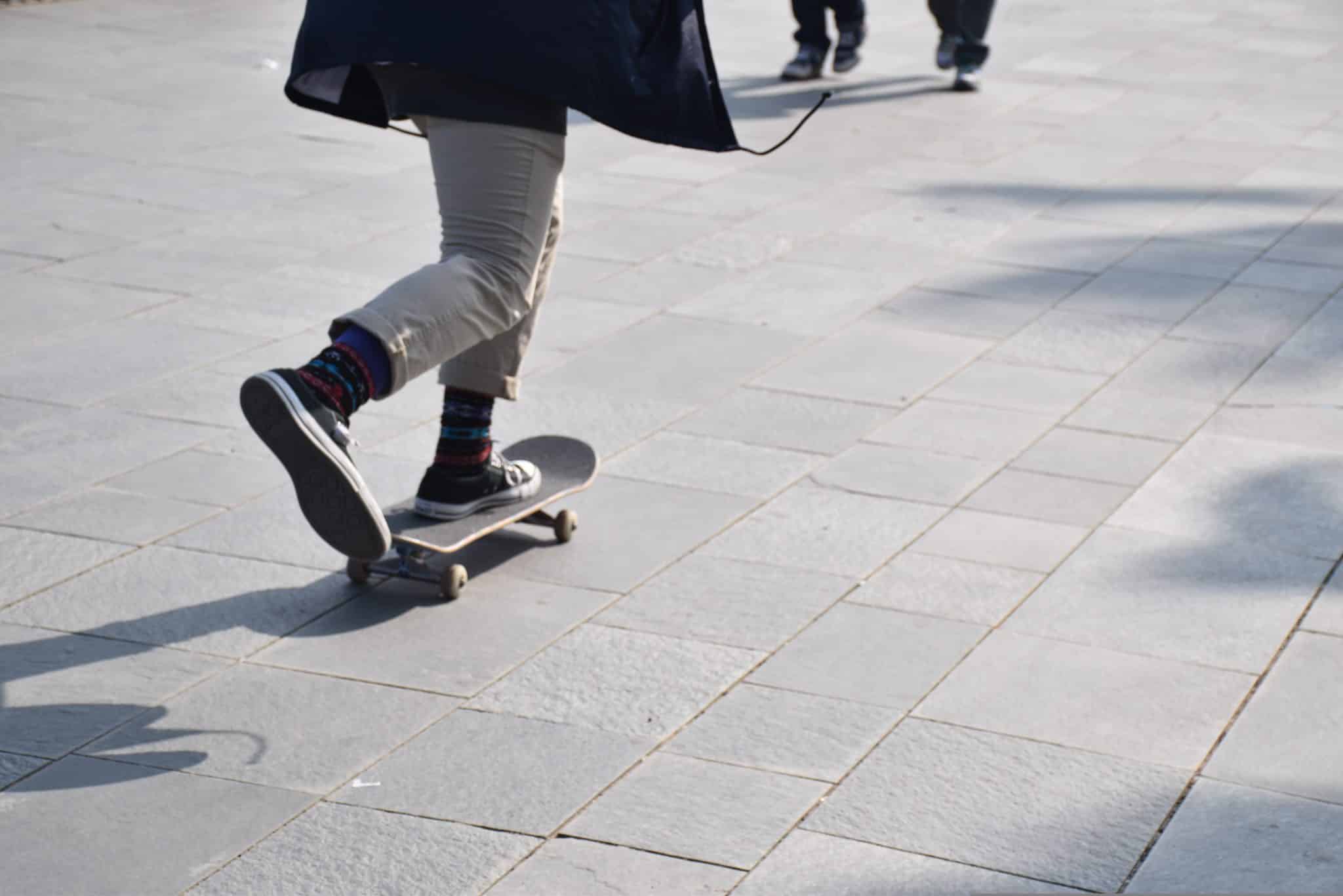
This one surprises people. Skateboarding has shaken off its reputation as a teenage pastime, partly thanks to its Olympic debut and partly because the adults who grew up watching it never quite let go. Local parks see a steady stream of older beginners now, helmets on, working out how to drop in without breaking a wrist.
The sensible ones don’t try to teach themselves from YouTube. Falling badly at thirty five is a very different proposition to falling at fifteen, and decent coaching cuts the risk right down. Booking proper skateboard lessons is worth it, because an instructor will fix your stance and your bracing in an afternoon and save you weeks of bad habits and bruises. Once the basics are in, progress comes fast.
Getting past the fear of looking daft
Here’s the real hurdle, and it has nothing to do with fitness. Most adults don’t avoid new sports because they can’t physically do them. They avoid them because they’re afraid of being bad in public.
It’s worth sitting with that for a second. Nobody around you cares if you wobble or miss the ball. They’re too busy concentrating on their own wobble. The self consciousness that felt unbearable at school loses most of its grip once you clock that the other beginners are every bit as nervous as you. Get through the first couple of sessions and the embarrassment tends to evaporate.
Pickleball, and why everyone seems to be playing it
If skateboarding is the comeback story, pickleball is the genuine newcomer. It barely registered in this country a few years ago, and now there are courts and clubs springing up all over, Southport included. The game is easy to learn, kind to the joints, and ferociously addictive, which is a rare combination.
Its appeal for the over thirty crowd isn’t hard to see. The court is small, so you’re not sprinting flat out, and a rally lasts long enough to feel like a proper workout without leaving you wrecked. Coaching has caught up with the demand, and structured programmes like the Ace pickleball school have made it simple for complete beginners to learn the rules and the scoring before they ever step onto a court with strangers. That bit of early guidance is often the difference between sticking with it and quietly giving up.
How to start without overthinking it
The biggest mistake is treating the decision as some huge commitment. It isn’t. Pick one thing that mildly interests you, find a beginner session or a single lesson, and go. You don’t need the full kit, you don’t need to be fit first, and you certainly don’t need to be any good.
Give it three goes before you judge it. The first session is awkward, the second is slightly less so, and by the third you usually know whether the thing has hooked you. If it hasn’t, try something else. Nobody’s keeping score except you.
The adults taking this up in Southport aren’t chasing medals. They’re after the same thing most people want at this stage of life, which is a reason to be off the sofa, out of the house, and happily bad at something for the simple pleasure of slowly getting better. Thirty isn’t too late. If anything, it might be the perfect time to start.