

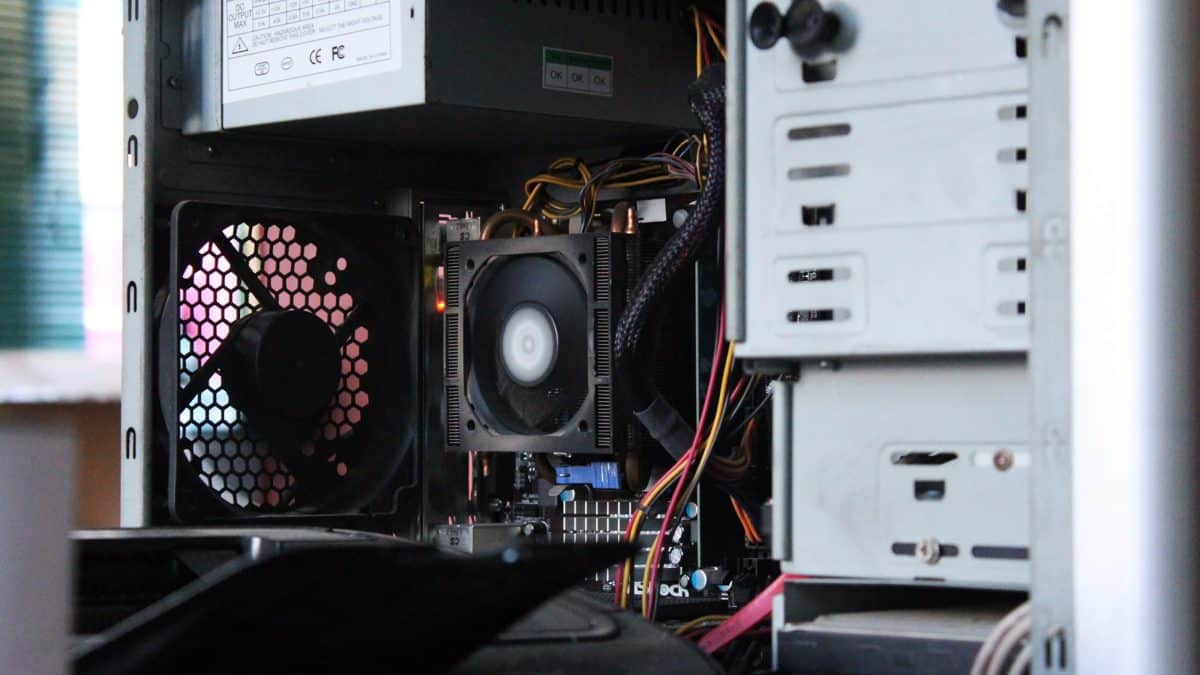
Your costliest graphics card often sits idle in a rack. That single observation, which cuts to the heart of modern budgeting, reshapes how a great many British developer teams and small firms now approach their compute-heavy projects and plan accordingly. Billing that carefully tracks your actual consumption has changed the underlying arithmetic entirely, yet the final decision still depends very much on your own particular pattern of use. The question is seldom whether flexible GPU power exists, but when it genuinely undercuts buying hardware outright. This article walks you through precisely what you pay for, which particular tasks genuinely suit the model, how the figures compare against fixed kit, and exactly where the tipping point lies for your circumstances.
Understanding Usage-Based GPU Computing: What You Actually Pay For
Before weighing any decision, it helps to see precisely what appears on the monthly invoice. Usage-based billing removes the hefty upfront purchase and substitutes a running meter linked to hours of active computation. You are not paying for silicon depreciating in a cupboard, but for work actually performed.
When you provision a cloud gpu on demand, you pay for the exact compute hours consumed rather than committing capital to a physical card that sits idle between projects. That distinction matters because most GPU workloads are bursty by nature. A training run might saturate the hardware for eighteen hours, then nothing follows for a fortnight.
The components inside each bill
Beyond the hourly rate, several items shape the total. Storage, data transfer, and premium tiers add separate charges. Reading these various elements carefully, rather than fixating solely on the headline rate, prevents the all-too-familiar shock that arrives at month end, when what once appeared to be a cheap hourly rate has quietly expanded into a considerably larger figure than anyone had anticipated.
Which Workloads Benefit Most From Pay-Per-Use GPU Power
With the billing logic clarified, the obvious next question is which jobs reward this flexibility most generously. Because not every task benefits equally from this flexibility, the genuine savings only emerge when you carefully match the right workload to the model best suited to handle it.
Intermittent and experimental work tends to benefit the most from this approach, often by a considerable margin. Teams running occasional training, rendering batches, or brief inference spikes avoid paying for idle time. Among the operators that run GPU resources on an hourly billing model, the name IONOS appears within this European hosting segment, which gives British teams regional options to weigh up carefully when comparing where their workloads should sit.
Tasks that suit the hourly meter
There are certain recurring patterns which, when they emerge within a business model, consistently favour the adoption of consumption-based billing as the most sensible and sustainable approach:
- Proof-of-concept experiments with unpredictable, sporadic demand
- Seasonal rendering or batch processing peaking for days, then subsiding
- Early-stage startups testing models before committing to any infrastructure
- Research projects with defined start and end dates, not permanent operation
Teams planning their first machine-learning projects often underestimate how uneven demand truly is. Avoiding common pitfalls matters here, and our guide to costly AI implementation errors for smaller firms covers several budget traps worth reading before provisioning anything.
Comparing On-Demand GPU Resources With Fixed Hardware Investments
From suitable workloads, the path leads inevitably to the decisive comparison, namely what flexible usage actually costs when measured directly against the capital expense of owning your own cards outright. Here the figures stop being abstract.
Buying a high-end accelerator involves the purchase price, power draw, cooling, physical space, and the staff time to maintain it all. When they are spread across a period of three years, these fixed costs, which include the purchase price alongside ongoing overheads, feel genuinely modest only in the event that the hardware is running almost constantly, without any prolonged idle periods. A card that is utilised for merely twelve hours each week carries an enormous cost per productive hour, because the lengthy idle periods still consume depreciation and electricity relentlessly.
Weighing the hidden figures
Renting shifts those burdens onto the provider, yet introduces its own variable: sustained heavy use grows the monthly bill relentlessly. Pricing structures differ sharply between vendors, much as different data platforms vary in cost, a theme explored in our breakdown of how rival data tools compare on pricing and features. To model your own scenario with real numbers, a NVIDIA cloud GPU cost calculator lets you plug in hours and card types before committing a penny.
Spotting the Break-Even Point: When Flexible Billing Saves Money
The comparison provides you with all the relevant variables, from which you can calculate the precise moment when flexible billing stops being the cheaper option and ownership becomes worthwhile. At how many operating hours each month does the balance shift in favour of owning the hardware?
The break-even depends on your hourly rent, amortised hardware cost, and genuine utilisation. When your rented hours exceed a particular threshold, owning becomes the more economical option despite the initial outlay.
Running the calculation step by step
A straightforward method helps to clarify precisely where you stand, so you can understand your position clearly:
- Total monthly ownership cost: power, cooling, and maintenance across the hardware’s lifespan
- Note the hourly rate for an equivalent rented instance
- Divide monthly ownership cost by hourly rental rate for break-even hours
- Honestly estimate your real monthly usage against that figure
- Below break-even favours flexible billing; well above favours ownership
For most teams whose demand remains irregular and unpredictable, the meter rarely runs long enough to justify an outright purchase, as sporadic usage simply cannot accumulate sufficient hours to warrant ownership. A card needing a few hundred monthly hours costs less rented. It is only sustained, near-continuous workloads, which keep the hardware running almost without interruption throughout the month, that ultimately flip the verdict in favour of buying outright. You should revisit the calculation whenever your usage pattern shifts, because the figure that appeared settled last quarter can readily move as your various projects scale up or gradually wind down. The honest answer to when usage-based GPU power is genuinely worth it ultimately comes down to that single, recalculable figure sitting plainly on your monthly statement, which you should periodically review.