

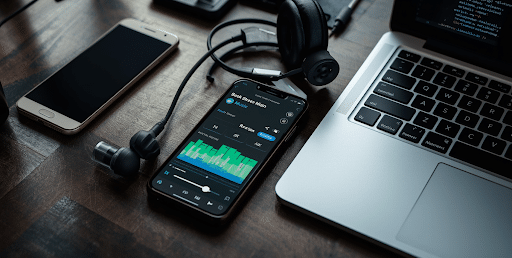
The music streaming industry has evolved dramatically over the past decade. Users no longer open music apps simply to play songs.
They expect personalized recommendations, seamless navigation, immersive audio experiences, social interactions, and instant access to millions of tracks.
With so many platforms competing for attention, user experience (UX) has become one of the biggest factors determining whether a music streaming app succeeds or fails.
Research consistently shows that users abandon apps that are confusing, slow, or difficult to navigate. In contrast, apps that offer intuitive experiences, personalized content, and frictionless interactions enjoy higher engagement, retention, and subscription rates.
Whether you’re building a new music platform or enhancing an existing one, understanding proven UX principles can help create a product users love.
Below are some of the most effective user experience tips inspired by industry leaders and successful streaming platforms.
Start with a Simple and Intuitive Onboarding Process
First impressions matter.
Many music apps lose potential users during registration because the onboarding process feels overwhelming. Asking for too much information upfront can increase abandonment rates and create unnecessary friction.
An effective onboarding experience should:
- Require minimal steps
- Offer social sign-in options
- Clearly explain app benefits
- Allow users to start listening quickly
- Personalize recommendations early
For example, asking users to select favorite artists, genres, or playlists during signup can immediately improve recommendation accuracy while making the experience feel more personal.
The goal is simple: help users reach their first enjoyable listening experience as quickly as possible.
Prioritize Fast Loading Speeds
Music listeners expect instant access to content.
Every delay between tapping a song and hearing audio can negatively impact user satisfaction. Slow loading times often lead to frustration and reduced engagement.
To improve performance:
- Optimize server infrastructure
- Compress media assets
- Implement content delivery networks (CDNs)
- Use intelligent caching mechanisms
- Minimize API response times
Fast performance creates a smoother experience and encourages users to spend more time exploring content.
Design Navigation That Feels Effortless
Users should never have to think about how to find music.
The best music streaming apps use simple navigation systems that help listeners move between playlists, albums, artists, podcasts, and recommendations with minimal effort.
Key navigation principles include:
- Keep Menus Simple: Avoid cluttering the interface with too many options.
- Maintain Consistency: Navigation patterns should remain familiar throughout the app.
- Use Clear Labels: Users should instantly understand where each section leads.
- Reduce Click Depth: Popular actions should require as few taps as possible.
The easier it is for users to find content, the more likely they are to stay engaged.
Make Personalization a Core Experience
Personalization has become one of the most powerful drivers of music app engagement.
Modern users expect apps to understand their preferences and provide relevant recommendations automatically.
Effective personalization can include:
- Daily playlists
- Mood-based recommendations
- Listening to history insights
- Genre-specific suggestions
- Personalized artist discoveries
Advanced algorithms can analyze listening habits, skips, likes, and playlist activity to create highly relevant recommendations.
When users consistently discover music they enjoy, they develop stronger loyalty to the platform.
Create a Visually Clean Interface
Visual design plays a major role in user satisfaction.
A cluttered interface can overwhelm users and distract them from the primary goal: enjoying music.
Effective music app design typically includes:
- Clean layouts
- Consistent typography
- Balanced spacing
- High-quality album artwork
- Easy-to-read controls
Minimalism often performs better than feature-heavy screens because it reduces cognitive load and improves usability.
The interface should complement the listening experience rather than compete with it.
Optimize Search Functionality
Search is one of the most frequently used features in music streaming applications.
Users often arrive with a specific goal in mind, such as finding a song, artist, album, or podcast.
A strong search experience should include:
- Real-time suggestions
- Autocomplete functionality
- Typo tolerance
- Voice search support
- Smart filtering options
The faster users can locate content, the more seamless the overall experience becomes.
Enhance Playlist Creation and Management
Playlists are central to user engagement.
Many listeners spend significant time creating collections for workouts, travel, studying, parties, and relaxation.
To improve playlist experiences:
- Allow drag-and-drop organization
- Enable collaborative playlists
- Suggest songs automatically
- Provide playlist artwork customization
- Support easy sharing
The more flexible and enjoyable playlist management becomes, the more invested users become in the platform.
Focus on Microinteractions
Small interactions often have a surprisingly large impact on user satisfaction.
Microinteractions provide visual feedback and make the interface feel responsive.
Examples include:
- Like button animations
- Playback transitions
- Swipe gestures
- Download progress indicators
- Smooth scrolling effects
These subtle design elements create a polished and enjoyable user experience.
Deliver Seamless Cross-Device Experiences
Today’s listeners frequently switch between devices throughout the day.
A user might start listening on a smartphone, continue on a laptop, and finish on a smart speaker.
To support this behavior:
- Sync playback across devices
- Save listening progress automatically
- Synchronize playlists in real time
- Maintain consistent interfaces
A seamless cross-platform experience increases convenience and user satisfaction.
Reduce Subscription Friction
Many music streaming businesses rely heavily on premium subscriptions.
However, complicated payment flows often reduce conversion rates.
To improve subscription experiences:
- Clearly explain premium benefits
- Simplify checkout processes
- Offer multiple payment methods
- Provide free trial options
- Display transparent pricing
Users are more likely to upgrade when the process feels simple and trustworthy.
Use Data to Improve UX Continuously
User experience optimization should never stop after launch.
Analytics can reveal valuable insights into user behavior, helping teams identify areas for improvement.
Important metrics include:
- Session duration
- User retention
- Playlist creation frequency
- Search success rates
- Subscription conversions
By studying user interactions, businesses can continuously refine the experience and eliminate friction points.
Many organizations working with a professional music streaming app development company leverage analytics-driven design strategies to ensure their applications evolve alongside changing user expectations and listening habits.
Build Strong Social Features
Music has always been a social experience.
Modern listeners enjoy sharing songs, playlists, and discoveries with friends and communities.
Social features can include:
- Playlist sharing
- Friend activity feeds
- Collaborative listening sessions
- Music recommendations between users
- Social media integrations
These capabilities increase engagement while encouraging organic user growth through referrals and sharing.
Offer Offline Listening Options
Internet connectivity is not always reliable.
Users frequently travel, commute, or visit areas with limited network coverage.
Offline listening remains one of the most requested premium features because it provides uninterrupted access to content.
To improve offline experiences:
- Enable fast downloads
- Allow bulk playlist downloads
- Clearly display storage usage
- Support automatic syncing
Providing reliable offline access significantly improves user satisfaction.
Accessibility Should Never Be an Afterthought
Inclusive design helps ensure all users can enjoy the platform regardless of their abilities.
Accessibility improvements often benefit every user, not just those with disabilities.
Best practices include:
- Voice navigation support
- Screen reader compatibility
- Adjustable text sizes
- High-contrast modes
- Clear touch targets
Prioritizing accessibility expands your audience while creating a more user-friendly application.
Leverage Emerging Technologies Carefully
AI, voice assistants, and immersive audio technologies continue to shape the future of music streaming.
However, new features should enhance the user experience rather than complicate it.
Innovative capabilities may include:
- AI-generated playlists
- Mood recognition
- Voice-controlled playback
- Smart recommendations
- Spatial audio experiences
Businesses investing in advanced technologies often collaborate with teams offering Denver mobile app development services to build scalable, future-ready music platforms that balance innovation with usability.
Conclusion
Creating a successful music streaming app requires much more than licensing songs and building a media player. User experience has become the primary factor influencing engagement, retention, and revenue growth in today’s competitive streaming market.
From intuitive onboarding and personalized recommendations to seamless navigation and cross-device synchronization, every interaction shapes how users perceive your platform. The most successful music apps focus relentlessly on reducing friction while increasing enjoyment.
By implementing these UX best practices, businesses can create music streaming experiences that keep listeners engaged, encourage long-term loyalty, and differentiate their platforms in an increasingly crowded digital landscape. As user expectations continue to evolve, companies that prioritize exceptional user experiences will remain best positioned for long-term success.