
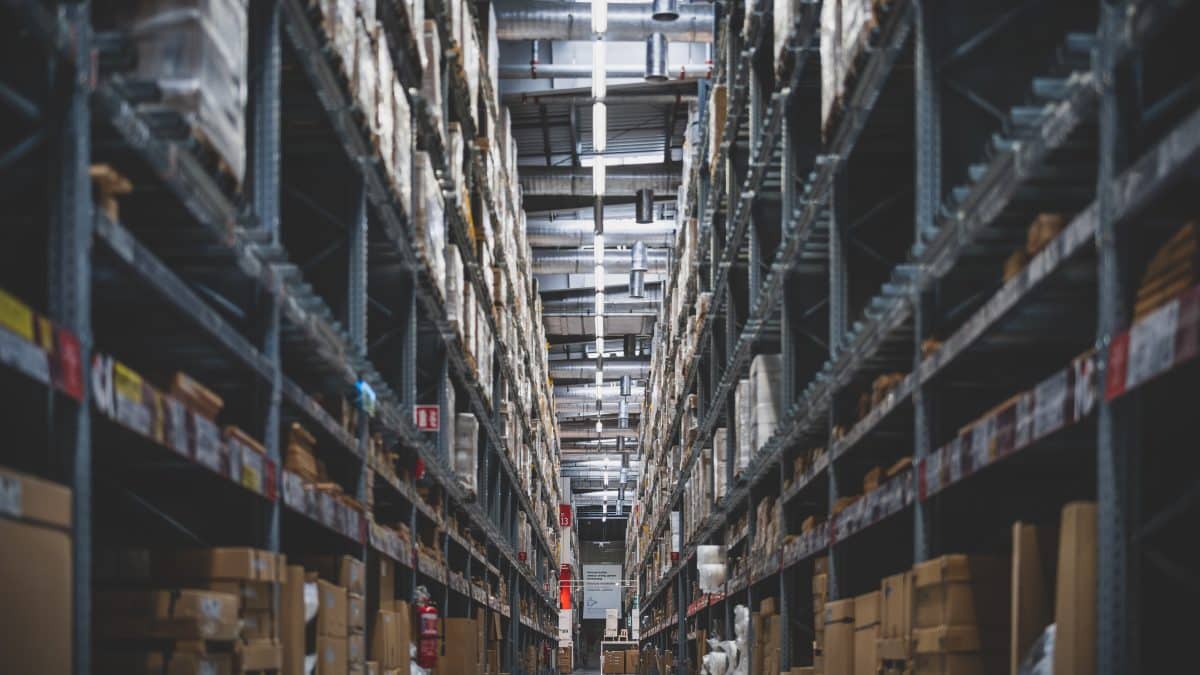
A high-performing warehouse is about much more than having enough floor space.
Space organisation can influence everything from picking times and staff movement to storage capacity and safety, all contributing to how easily the operation can scale. That is why off-the-shelf fittings aren’t always the best option, particularly in warehouses with unusual layouts, specialist stock or demanding workflows.
Bespoke warehouse fittings help to design the space around the operation, rather than forcing the operation to work around the building.
Make better use of available space
Warehouse space is valuable, so wasting large sections of it can become expensive. Standard shelving, racking or access systems may leave awkward gaps, fail to use the full height of the building or create hard-to-reach areas.
Custom installations can be designed around the warehouse’s dimensions. That might mean adding a mezzanine floor to use otherwise empty vertical space, fitting storage around structural columns or creating access points that match how goods actually move. The result is a layout that works harder and smarter.
Improve the flow of goods
Production efficiency often comes down to reducing unnecessary movement. If employees repeatedly need to cross the warehouse to collect stock, move pallets or access different levels, those extra journeys quickly add up.
Bespoke fittings can support a more logical workflow. Storage areas can be positioned around picking patterns, workstations can be placed closer to relevant stock and equipment can be installed where it makes the most operational sense.
For multi-level warehouses, bespoke goods lifts can also make a significant difference.
Design around the goods being stored
Not every warehouse handles neat boxes of identical dimensions. Trying to fit long materials, fragile products, heavy equipment or items with very different shapes and weights into a standard storage system can lead to wasted space and inefficient handling.
Bespoke racking, shelving and containment systems can be designed around the size, weight and frequency of use of particular products. Frequently picked items might be positioned at easily accessible heights, while slower-moving stock can be stored in less prominent locations.
Support a safer working environment
Warehouse design and industrial safety are closely connected. Poorly positioned equipment, narrow access routes and unsuitable storage can all make the workplace harder to navigate. Custom fittings give businesses opportunities to plan around pedestrian routes, loading areas, machinery and material-handling equipment from the outset.
For example, a properly designed goods lift can reduce the need to move heavy or bulky products manually between levels. Guarding, barriers and controlled access points can also be incorporated into the wider layout.
Any installation still needs to meet relevant safety and building requirements, but designing around the actual site makes it easier to create a workspace that supports safe working practices.
Plan for future growth
A warehouse that works perfectly today may not be suitable in several years. Stock volumes can increase, product ranges can change and businesses may introduce new equipment or different fulfilment processes.
Bespoke installations can be planned with that future growth in mind. Modular storage, additional mezzanine capacity or lifting systems capable of handling changing operational demands can help businesses adapt without redesigning the warehouse from scratch.
Build the warehouse around the operation
There is no single ideal warehouse layout. A distribution centre handling thousands of small orders each day will have very different requirements from a manufacturer storing heavy components or a business holding bulky seasonal stock.
That is why bespoke fittings can be so valuable. Instead of compromising with equipment designed for the average warehouse, businesses can create a space around their own people, stock and processes.
When every square metre has a purpose and goods can move through the building efficiently, the warehouse becomes more than somewhere to store products. It becomes an important part of how the whole operation performs.