
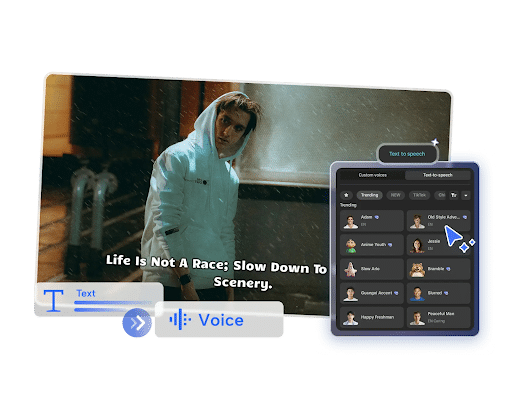

The way we consume digital content has changed dramatically in recent years. Audio is no longer just an optional feature; it has become a primary medium for learning, entertainment, accessibility, and marketing. Technologies like text to speech and AI voice generators are at the center of this transformation, enabling anyone to turn written text into realistic, human-like voices within seconds.
In this article, we’ll explore what text to speech technology is, how AI voice generators work, their benefits, real-world use cases, and why they are shaping the future of digital communication.
What Is Text to Speech Technology?
Text to speech (TTS) is a technology that converts written text into spoken audio. Instead of reading content manually, users can listen to it through synthesized voices generated by software.
Initially, text to speech systems produced robotic and unnatural voices. However, advancements in artificial intelligence and machine learning have dramatically improved voice quality, making modern TTS voices sound more natural, expressive, and human-like.
Understanding AI Voice Generators
An AI voice generator is an advanced form of text to speech technology powered by artificial intelligence. Unlike traditional TTS systems, AI voice generators analyze speech patterns, tone, pronunciation, and emotional context to produce realistic voices.
These tools can generate voices in multiple languages, accents, and styles, including male, female, neutral, and even expressive or conversational tones.
How Text to Speech and AI Voice Generators Work
Modern AI voice generators rely on deep learning models trained on massive datasets of human speech. Here’s a simplified breakdown of the process:
- Text input is analyzed for grammar, punctuation, and context
- AI determines pronunciation, pauses, and intonation
- Voice models generate natural-sounding speech
- Audio output is delivered in high-quality formats
This process happens almost instantly, making AI voice generation fast and efficient.
Key Benefits of Text to Speech and AI Voice Generator Tools
Accessibility for Everyone
Text to speech plays a crucial role in accessibility. It helps visually impaired users, individuals with reading difficulties, and people with learning disabilities access digital content easily.
Time and Cost Efficiency
Hiring professional voice actors can be expensive and time-consuming. AI voice generators eliminate these costs while delivering instant results.
Multilingual Voice Support
Many AI voice generators support multiple languages and accents, making them ideal for global audiences and international businesses.
Consistent Voice Quality
AI ensures consistency in tone and pronunciation across all audio files, which is especially important for branding and long-term projects.
Popular Use Cases of AI Voice Generators
Content Creation and YouTube Videos
Creators use text to speech and AI voice generators to produce voiceovers for YouTube videos, documentaries, and faceless channels without recording their own voice.
E-Learning and Online Courses
Educational platforms rely on AI voice generators to narrate lessons, tutorials, and training modules efficiently.
Audiobooks and Podcasts
Text to speech technology allows authors and publishers to convert written books into audiobooks quickly and affordably.
Marketing and Advertising
Businesses use AI voice generators for promotional videos, social media ads, explainer videos, and product demos.
Customer Support and IVR Systems
Many companies integrate AI voices into automated phone systems and chatbots to provide clear and natural responses.
Text to Speech vs Traditional Voice Recording
Traditional voice recording requires microphones, studios, voice artists, and post-production editing. In contrast, AI voice generator simplify the entire process.
Key differences include:
- No recording equipment needed
- Instant audio generation
- Easy revisions by editing text
- Scalable voice production
This shift allows individuals and small businesses to compete with larger production teams.
Customization and Control with AI Voice Generators
One of the biggest advantages of modern AI voice generators is customization. Users can adjust:
- Voice tone and speed
- Pitch and emphasis
- Emotional expression
- Pauses and pacing
This level of control ensures the audio matches the message and audience perfectly.
Best Practices for High-Quality Text to Speech Output
To get the best results from text to speech and AI voice generators, follow these tips:
- Use clear and well-structured text
- Add punctuation for natural pauses
- Avoid overly long sentences
- Preview and refine the audio output
- Match voice style to your content type
Even though AI does the heavy lifting, thoughtful input improves final quality.
Ethical and Creative Considerations
As AI voice generators become more realistic, ethical use becomes important. Transparency, consent, and responsible use should always be prioritized. At the same time, these tools open new creative opportunities for storytelling, education, and innovation.
The Future of Text to Speech Technology
The future of text to speech and AI voice generation is incredibly promising. Voices will become more emotional, adaptive, and personalized. AI will soon be able to adjust tone based on audience reactions, context, and content goals.
As this technology evolves, it will continue to blur the line between human and AI-generated speech, making audio content more accessible and scalable than ever.
Conclusion
Text to speech and AI voice generators are redefining how digital voices are created and consumed. From accessibility and education to marketing and entertainment, these technologies offer a powerful, cost-effective solution for turning written content into engaging audio.
Whether you are a content creator, business owner, educator, or developer, adopting AI voice generation tools can significantly enhance your workflow and reach a wider audience with ease.