
Working at height is something countless jobs demand, from roofing and construction to simply changing a light in a warehouse. It also happens to be one of the most dangerous things a worker can do. Understanding the risks is the first step to managing them.
The statistics make the point starkly, and a detailed breakdown in Working at Height Statistics UK (2026) shows just how serious it remains. Falls from height are consistently among the leading causes of workplace death. This guide explains what counts as working at height, the main risks, and how to stay safe.
Why Is Working At Height So Dangerous?
The danger is simple physics: a fall from even a modest height can cause serious or fatal injury. Falls from height account for a large share of workplace fatalities in the UK every year. The margin for error is small.
What makes it worse is how routine it can feel. A quick job up a ladder rarely feels risky, which is exactly when care slips. Yet many serious falls happen from relatively low heights during short tasks. Respecting the risk, even on small jobs, is what keeps people safe.
What Counts as Working At Height?
The term covers more situations than most people assume. It means working anywhere a person could fall a distance likely to cause injury. That includes far more than tall scaffolding.
Working at height includes ladders, roofs, platforms, and even working near an unprotected edge or opening. It applies whether you are two metres up or twenty. Crucially, it also covers working below ground level, such as near an excavation. Recognising when a task qualifies is essential to controlling it.
What Are the Main Risks?
A handful of hazards account for most serious incidents. Knowing them helps you plan a job properly. Each is manageable with the right approach.
The most common risks include:
- Ladders. Slipping, overreaching, or unstable footing.
- Fragile surfaces. Roofs that cannot bear weight.
- Falling objects. Tools or materials dropped from above.
- Weather. Wind and rain making surfaces treacherous.
Preventing Falls from height is the central goal of every sensible precaution. Falling objects also put people below at real risk, not just the worker up high. Planning for both dangers is what a safe system of work is built around.
How Do You Work Safely At Height?
Safety comes down to planning, the right equipment, and good training. None of it is complicated, but all of it matters. The law sets clear expectations here.
Follow this simple hierarchy:
- Avoid. Do the work from the ground if possible.
- Prevent. Use guard rails or a secure platform.
- Minimise. Use fall-arrest gear to limit any fall.
- Plan. Assess the task before starting.
Official guidance offers a clear work at height introduction for anyone unsure where to begin. Advice on assessing site risks helps you judge each job properly. Choosing the safest method, rather than the quickest, is the heart of it.
What Equipment Keeps Workers Safe?
The right kit turns a dangerous job into a controlled one. Choosing and maintaining it well is half the battle. Familiarity is the other half.
Common access equipment includes:
- Ladders. Best for short, light tasks.
- Towers. Stable platforms for longer jobs.
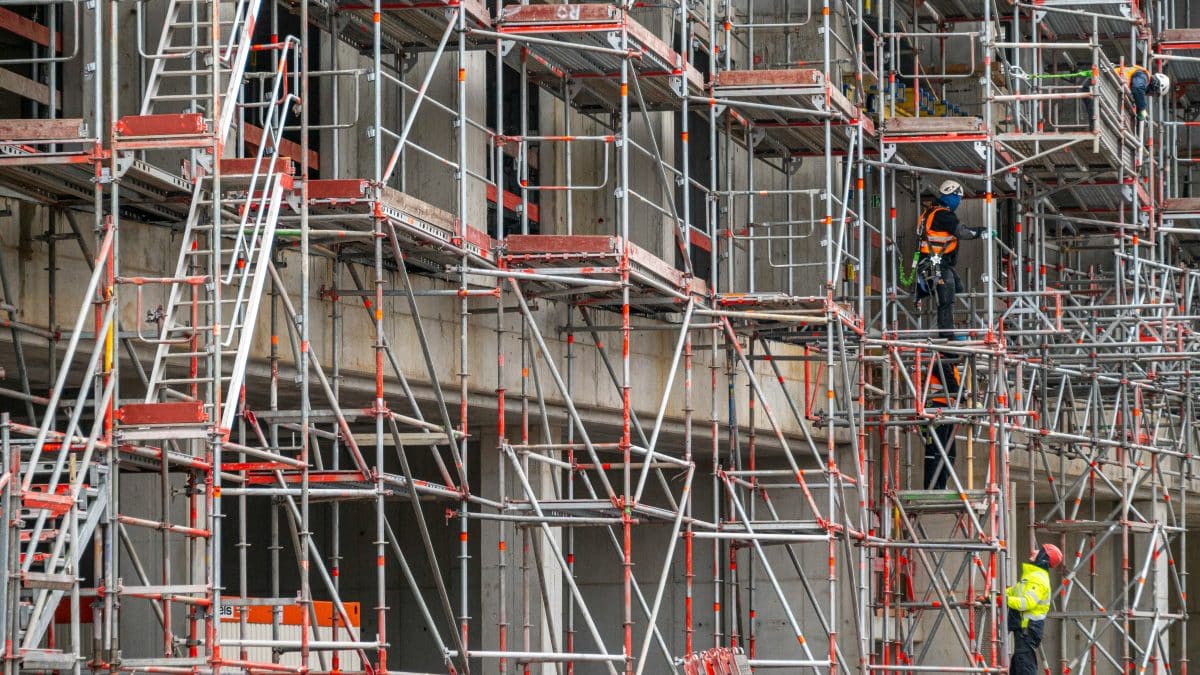
- Scaffolding. Solid support for major work.
- Powered platforms. Safe access to tricky spots.
Access equipment ranges from simple ladders to scaffolding, towers, and powered platforms. Each suits different tasks, and using the wrong one invites trouble. Well-chosen and well-maintained equipment is far safer than makeshift solutions like a wobbly chair. Inspect gear before every use, and never improvise when a proper tool exists.
Putting Safety First At Height
Working at height will always carry risk, but that risk is highly manageable with the right approach. Recognise when a task counts, understand the main hazards, and follow the simple hierarchy of avoiding, preventing, and minimising a fall. Use proper equipment, keep it well maintained, and give even short jobs the respect they deserve. Handled that way, working at height becomes a controlled task rather than a gamble.
Frequently Asked Questions
What Is Legally Classed as Working At Height?
Working at height means working in any place where a person could fall a distance liable to cause injury. That includes obvious cases like ladders, scaffolding, and roofs. It also covers less obvious ones, such as working near an unprotected edge, on a fragile surface, or close to a floor opening. It even covers working below ground level, for example near an excavation.
How Can Falls From Height Be Prevented?
Prevention follows a clear hierarchy. First, avoid working at height if the job can be done from the ground. If not, use equipment that prevents a fall, such as guard rails or a secure working platform. Where some risk remains, use gear that minimises the distance and consequences of a fall, such as fall-arrest equipment. Good planning, training, and equipment checks underpin all of it.
Are Ladders Safe to Use for Work?
Ladders are perfectly acceptable for short, light tasks where the risk is low, provided they are used correctly. They should be in good condition, placed on stable ground, and secured or footed. Problems arise from overreaching, using a damaged ladder, or choosing one for a job that really needs a tower or platform. Matching the equipment to the task is the key.
Who Is Responsible for Safety When Working At Height?
Responsibility is shared but starts with the employer, who must plan the work, assess the risks, and provide suitable equipment and training. Workers, in turn, must use that equipment properly, follow the agreed method, and report any hazards or defects. Everyone has a part to play, and clear communication between them is what keeps a working-at-height task genuinely safe.