
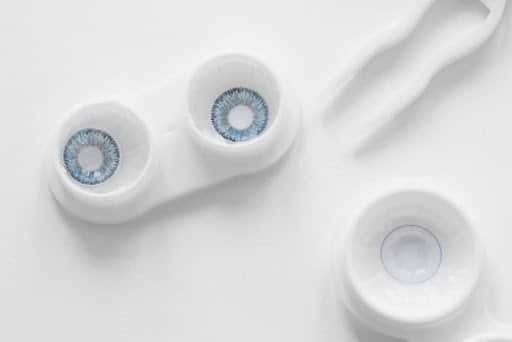


Most people pick up their contact lenses, put them in, and get on with their day without giving the material a second thought. Which is completely fair. Nobody is standing in the bathroom at seven in the morning thinking about polymer science.
But here is the thing. If your eyes feel dry by lunchtime, uncomfortable by three, or just never quite settle into that easy all-day comfort that contact lens wearers talk about, the material your lenses are made from is probably the first place worth looking. Not your routine. Not your solution. The actual lens itself.
Two materials dominate the soft contact lens market right now: hydrogel and silicone hydrogel. They sound almost identical, they look the same in the packet, and most people have no idea there is a genuinely meaningful difference between them. There is, though. And once you understand it, a lot of the mystery around why some eye contact lenses feel better than others starts to make sense.
A Quick Bit of History That Is Actually Relevant
Soft contact lenses have been around since the early 1970s. The original material, hydrogel, was a genuinely significant development at the time. Soft, flexible, water-containing, and comfortable in a way that the rigid lenses before it simply were not. For decades it was the only show in town, and for plenty of wearers it worked well enough.
The quiet problem running through all of it was oxygen.
Your cornea, the clear front surface of your eye, does not have a blood supply of its own. It gets the oxygen it needs directly from the air, through the tear film sitting on its surface. Put a lens over the cornea and you are essentially reducing that oxygen supply. The thicker or less permeable the lens, the more your cornea is working with less than it needs.
Silicone hydrogel arrived in the late 1990s to fix exactly that. By weaving silicone into the hydrogel structure, manufacturers created a material that let significantly more oxygen through to the cornea. It changed the market, and it changed the experience of wearing eye contact lenses for a lot of people who had previously struggled.
So What Is the Actual Difference?
Here is the plain version without the jargon.
Hydrogel lenses move oxygen to the eye through their water content. More water in the lens means more oxygen can get through. Sounds logical, but it creates a problem: high water content lenses pull moisture from your tear film during the day to stay hydrated. By mid-afternoon, your eyes are essentially being slowly dehydrated by the very lenses supposed to be sitting comfortably on them. That scratchy, tired, get-these-out feeling? Often that.
Silicone hydrogel lenses work differently. The silicone component is naturally permeable to oxygen, so the lens does not need to rely on water content to deliver it. More oxygen reaches the cornea, the lens holds onto its moisture better, and the eyes tend to stay more comfortable for longer. Particularly useful if you are wearing eye contact lenses for ten or twelve hours, spending most of the day on a screen, or both.
The technical measure is called Dk/t, which is just the industry’s way of quantifying how much oxygen a lens lets through. Silicone hydrogel lenses score significantly higher here than conventional hydrogel, often by a factor of five or six. In practical terms, your cornea is getting considerably more of what it needs throughout the day.
Where Hydrogel Still Makes Sense
It would be easy to read this and write hydrogel off entirely. That is not quite the right conclusion though.
For daily disposable wearers, the oxygen argument matters less. If you are wearing a fresh pair for eight to ten hours and then throwing them away, your cornea gets a full night to breathe and recover. The cumulative oxygen debt that builds with reusable lenses does not accumulate in the same way.
Some wearers also find hydrogel lenses simply feel softer and more comfortable on insertion. The silicone in silicone hydrogel lenses can give them a slightly stiffer quality that takes a little getting used to. For people with sensitive eyes, this occasionally makes hydrogel the more comfortable day-to-day experience despite the oxygen disadvantage.
Hydrogel lenses also tend to cost less. For someone who wears daily disposables, does not experience significant dryness, and is managing comfortably, paying a premium for silicone hydrogel is not always necessary.
Who Tends to Notice the Biggest Difference After Switching
Some people switch materials and feel an immediate improvement. Others notice a gradual difference over a few weeks. The groups that tend to benefit most from silicone hydrogel eye contact lenses are:
- Screen workers and remote workers who spend most of their day in front of a monitor. Reduced blinking during screen use already stresses the tear film. Lenses that do not simultaneously dehydrate it help considerably.
- Long-day wearers who need lenses in from early morning until late evening. The comfort gap between the two materials becomes most obvious as hours stack up.
- Anyone who has given up on lenses before because they found them uncomfortable. Switching material solves the problem completely for a surprising number of people.
- People with mild dry eye who have been told lens wear might not be suitable for them. Silicone hydrogel has genuinely expanded who can wear contact lenses comfortably.
- Active wearers and sports people who cannot take their lenses out halfway through the day for a rest.
Daily vs Reusable: Does the Material Conversation Change?
A little, yes.
For monthly or two-weekly lenses, material matters a great deal. Reusable lenses accumulate deposits from the tear film over their wear cycle, and the oxygen delivery needs to stay consistent across weeks of daily use. Silicone hydrogel handles this considerably better in most cases, though some silicone hydrogel lenses attract more lipid deposits than hydrogel alternatives, which is worth mentioning to your optometrist when choosing a specific brand.
For dailies, the urgency is lower but the material still makes a difference. Silicone hydrogel dailies tend to feel better toward the end of the day for heavy screen users and anyone wearing them for longer stretches. The case for them is not as strong as it is for monthlies, but it is not irrelevant either.
The Water Content Trap
One thing worth flagging because it catches people out regularly. When you look at lens packaging, you will often see a water content percentage listed. It is tempting to assume higher is better, and for hydrogel lenses there is some truth to that logic.
But for silicone hydrogel lenses, water content and oxygen transmissibility are not the same thing. A silicone hydrogel lens with 33 percent water content will typically deliver far more oxygen to your cornea than a hydrogel lens sitting at 58 percent water. The material type matters more than the water figure when you are comparing across categories.
If you are shopping for eye contact lenses and trying to compare options, look at the Dk/t value alongside the material type rather than relying on water content alone. Your optometrist can walk you through this in the context of your specific prescription and wear habits.
Finding the Right Lens for Your Eyes Specifically
No article, including this one, can fully replace a proper contact lens consultation. Two people can have identical prescriptions, identical routines, and identical lens types and have genuinely different experiences because their corneal geometry, tear film quality, and individual sensitivity all vary.
If you are currently wearing eye contact lenses and finding the afternoons uncomfortable, or if you have tried lenses before and written them off, the material is the first thing worth revisiting. For many people, switching from hydrogel to silicone hydrogel is the change that finally makes lens wear feel effortless rather than something to push through.
And if you are brand new to all of this, the practical starting advice is simple: silicone hydrogel dailies are the most forgiving, most comfortable, and most low-maintenance entry point for most people. Get those right first and refine from there once you know how your eyes respond.
Wrapping It Up
Silicone hydrogel lenses let more oxygen through, stay more comfortable for longer, and have made contact lens wear genuinely accessible for people who previously found it difficult. For most wearers, most of the time, they are the better choice.
Hydrogel lenses are not redundant. They are still a solid option for daily disposable wearers, budget-conscious buyers, and anyone who finds the feel of silicone hydrogel slightly less comfortable on the eye. They have been doing the job reliably for five decades.
The real answer is not that one material wins universally. It is that your eyes have specific needs on a typical day, and the right lens is the one that meets those needs without you noticing it is there at all. That is the whole point of a good pair of eye contact lenses: you forget you are wearing them.
Talk to your optometrist, be honest about how your current lenses feel, and do not be afraid to ask about switching materials. Sometimes the smallest change makes the biggest difference.