
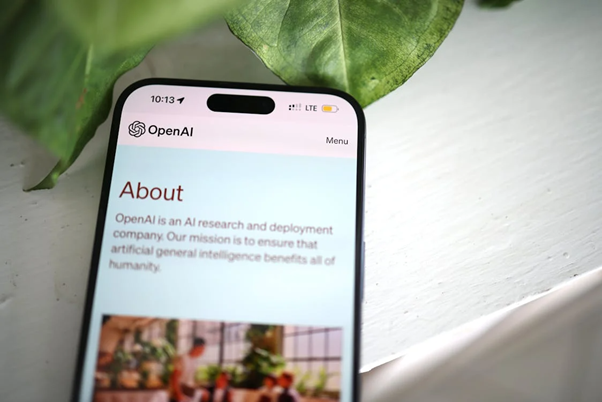


OpenAI has made a move to try to loosen its ties to Microsoft. The two platforms were once exclusive and formed one of the most impactful and influential business relationships in the modern age.
Using Exclusivity as a Way to Do Business
OpenAI and Microsoft’s decision to go exclusive was certainly a good move, and it’s something that a lot of businesses are exploring right now. Netflix has built on its foundation by creating Netflix Originals, and they have also explored partnerships with other film companies to drive subscriptions. Spotify is another example.
They have leaned into exclusive podcasts and early-access content for Premium users to stand out from the streaming market. In competitive markets like iGaming, exclusivity certainly makes sense, as online casinos typically compete with thousands of other platforms at any given moment. When logging onto a casino online it’s not uncommon to see exclusive titles including Crowning Wins Flip & Win or The Sun Winning Headlines Cash Collect. The exclusivity trend is even making an appearance in retail as well. Soap & Glory is a Boots-exclusive brand, and gives the pharmacy a distinctive edge. Fashion collabs between Gucci and The North Face also show how partnerships can elevate two different brands, something that Microsoft and OpenAI have leaned into.
The Shift Opens Access to Other Providers
Exclusivity works best when ecosystems are forming and growing. OpenAI has grown so much and scaled so quickly that, to maintain that momentum, a change is required. Microsoft’s early backing for OpenAI helped to speed up projects and helped the formation of larger-scale AI models. As time went on, however, customers started to want more flexibility. Enterprises did not want to be locked into using a single cloud provider either. Rather than completely ignoring exclusivity, the brand is choosing to work with other companies, while still embracing the moves made with Microsoft.
As OpenAI can now scale across different cloud providers, it’s possible to maintain integration with the structure Microsoft can provide, with this balance helping the platform to thrive.
OpenAI isn’t completely shutting off its relationship with Microsoft, but they are becoming more strategic about how they grow, and as time goes on, it wouldn’t be surprising to see more exclusive relationships and partnerships formed. It may be that certain aspects of the platform become exclusive to certain companies and that the system becomes more segmented. If this happened, it would allow for unprecedented growth, embracing the modern business strategy of exclusivity while accessing more advanced tools and tech that would facilitate the growth of AI with a more linear trajectory.
One of the main reasons cited for OpenAI moving away from Microsoft is that they are currently in need of more power than Microsoft can provide, and have sought to rival AI start-ups like Anthropic, which Google has just invested $40 billion in.
Examples like this show that exclusivity is still a huge part of growing a business, but at the same time, it highlights an important message. When navigating unknown territory or when growing beyond the realms of traditional business expansion, sometimes it makes sense to divert and blaze a new path.