
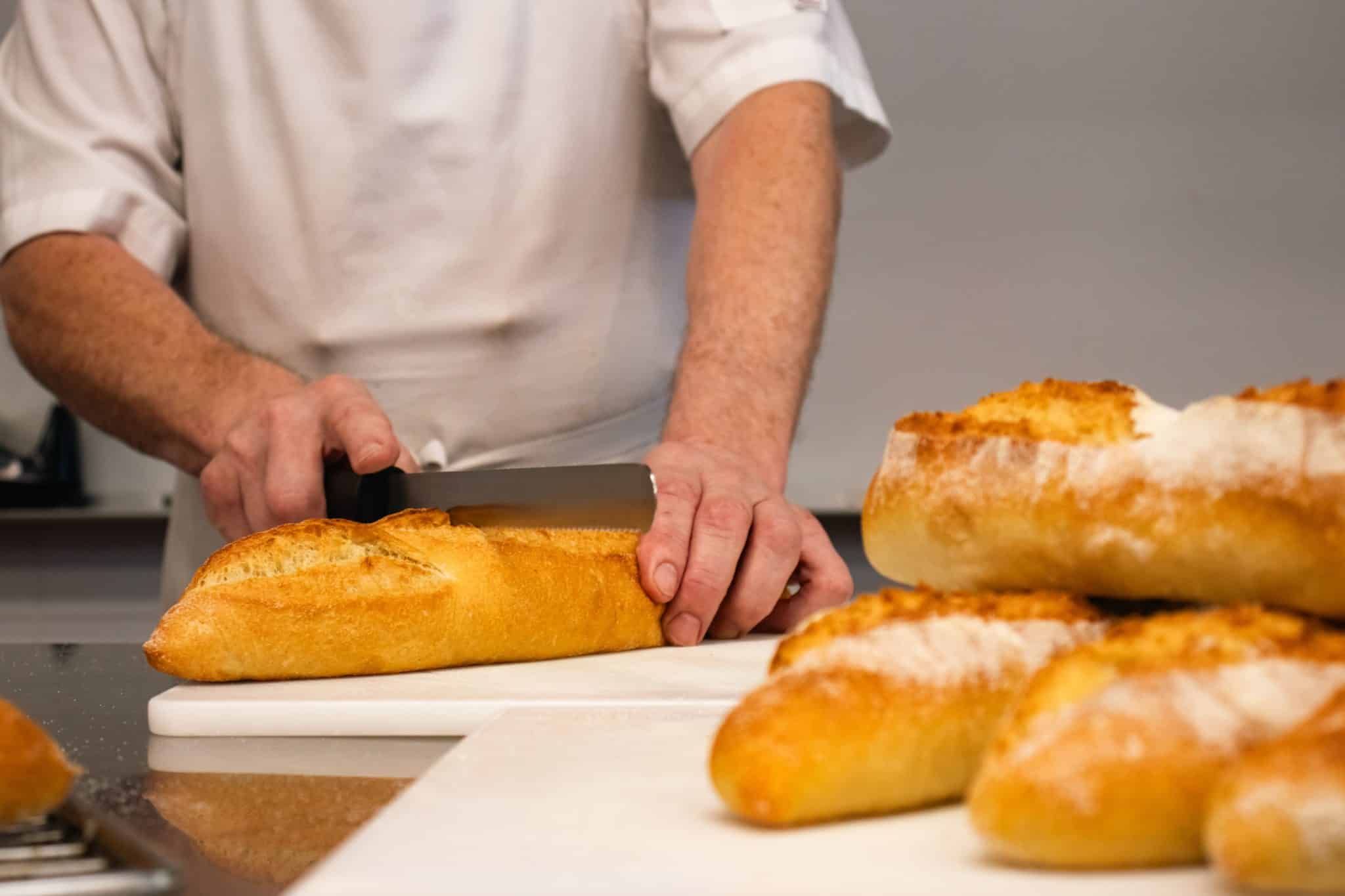


Chef jackets are more than just uniforms in the professional kitchen environment. They are pieces of clothing designed to withstand conditions involving intense heat, humidity, steam and exposure to oils and sauce splatters. The choice of materials used in chef jackets is not only aesthetically driven; it is essential for optimal performance, sustainability and comfort. This paper discusses how breathable, stain resistant and sustainable fabrics are used in today’s chef jackets through an analysis of their science and rationale.
If you are a restaurateur looking to equip your brigade with chef jackets, or a budding chef looking for your first chef jacket, this paper will give you insight into the materials used to make chef jackets.
The Importance of Fabric Selection in the Kitchen Environment
Working in a kitchen is a unique experience since the temperature may reach beyond 30 °C (86 °F). Besides, the kitchen environment is highly humid due to close proximity to steam kettles and ovens. In terms of professional use, the fabric used in a chef’s jacket plays a role in:
- The degree of thermal comfort: Ventilation and dissipation of heat.
- Moisture absorption: Capacity to absorb and transfer moisture from the skin.
- Range of movement: Stretching at the shoulder, back, and sleeve area.
- Resilience to stains and easy cleaning: Capability to resist liquid damage and frequent laundering.
- Robustness and longevity: Strength against tearing, fading, and deterioration.
For these reasons, not all materials are suitable for a chef’s jacket — particularly in relation to natural materials such as cotton compared to synthetic alternatives.
Breathability: Maintaining Comfort in the Toughest Situations for Chefs
Another vital trait when it comes to chef wear is breathability. A kitchen is a place of heat and stress where chefs must cook for hours under the influence of various cooking tools like stoves and ovens. For this reason, breathability makes the chef’s experience far better in these kinds of conditions.
Natural Fabrics: Cotton
Since its earliest days, cotton has been used to create chef jackets due to its softness, high level of comfort, and breathability. The natural cellulose fibers that cotton consists of provide greater air circulation compared to artificial ones, thus helping in reducing the feeling of excessive heat. Also, thanks to its high absorbency, it may help in removing sweat from your body, providing you with some cooling.
Nevertheless, cotton is not without drawbacks. Due to its ability to absorb moisture and retain it, when wet, it adds additional weight to the garment. Besides, it shrinks and wrinkles easier than other materials.
Fabrics Blends: The Best from Each Other
The imperfections inherent in plain cotton fabric have prompted some chef coats to use a blend of fabrics — usually consisting of cotton and polyester. Such mixes try to retain the breathability of the former while providing enhanced resistance and washing ability of the latter.
Fabrics blends will allow for:
- Better moisture management: As already mentioned, polyester contributes to quick drying and less sweatiness.
- Better shape preservation: Fabric blends are likely to be less prone to shrinking and wrinkling compared to cotton.
- Greater wear resistance: Thanks to polyester fibers, the mixture becomes stronger and more durable in everyday conditions.
Most chefs would agree that such blends are easier to wear and care for than plain cotton.
Specialized Fabrics and Breathable Panels
A modern version of a chef jacket may feature special performance knit panels. They are more breathable and moisture-wicking compared to ordinary blends. Mesh fabric inserts in specific locations (under armpits or on backs) provide better ventilation and facilitate heat dissipation.
Such properties make specialized fabrics extremely suitable for cooking professionals, especially when working in a hot kitchen or during summer days.
Stains & Maintenance: Cleaning & Maintaining the Chef’s Jacket
The second aspect to consider when selecting the best chef’s jacket material is the potential for stains and maintenance issues. It is inevitable that a chef will have some form of spill or stain on the front of his or her jacket at one point or another. Therefore, choosing a stain-resistant and easy-to-clean material is essential.
Why Stain Resistance is Important
Apart from ensuring that a professional appearance is maintained, having a stain-resistant jacket will also improve the level of confidence a chef will have while he or she is working. There is nothing more distracting to a chef than worrying about stains, especially considering how difficult some stains can be to remove.
Ways to Ensure Your Material is Stain Resistant:
- Tightly woven: The tighter the weave in a fabric, the less opportunity there is for stains to sink into the fabric.
- Contemporary finishes: Modern fabrics can undergo chemical finishes to ensure that they repel stains and make them easier to remove.
- Natural fibers: Fabrics such as polyester do not absorb liquid easily, making stains much easier to remove.
Sustainability: An Increasing Concern in Chef Uniforms
Increasingly aware of their impact on the environment, businesses are becoming conscious about incorporating sustainable elements into their uniforms. Chef uniforms should not be an exception when considering the current shift towards greener cooking practices.
What Defines a Sustainable Textile?
A sustainable textile is one that has considered:
- The origin of the fiber: Natural fabrics, such as organic cotton and linen, tend to have less of an environmental impact than synthetic ones, which are often made from petroleum.
- Manufacturing impact: Reduced water and energy use in the cultivation and production process of the fabric.
- Lifespan: Fabrics with high durability will last long, thereby reducing wastage.
- Reusability/recyclability: This minimizes the amount of fabric waste in landfills.
Many high-performance textiles today use a mixture of natural and recycled materials to balance practicality and sustainability. Sustainable chef jackets for professionals incorporate fabrics that have low environmental impact while still maintaining industry standards.
Sustainability: A Growing Consideration in Chef Uniforms
Recognizing their effect on the environment, organizations are now more mindful of introducing eco-friendly components in their uniforms. Chef uniforms must follow suit in light of the ongoing trend towards green cooking.
Defining a Sustainable Fabric
A sustainable fabric can be defined by:
- The source of the material: Natural materials like organic cotton and linen generally leave a smaller ecological footprint compared to synthetic fabrics, which are commonly derived from petroleum.
- Production impact: Low consumption of water and energy during the planting and manufacturing process of the fabric.
- Durability: Durable fabrics will survive for a long time, reducing wastage.
- Sustainability: It reduces fabric wastage in landfills through reusing and recycling of materials.
Modern high-performing fabrics are composed of a blend of natural and recycled fibers, which combine performance and sustainability. Sustainable chef jackets are made of durable fabrics that have little ecological footprint.
The Future of Chef Jacket Fabrics
Textile innovation is constantly developing. With the demand for higher performance and sustainability in kitchens, fabrics are meeting those needs. What do the future of fabrics look like?
Microfiber and Performance Knits
Due to excellent water-wicking qualities and stain resistance, microfiber fabrics (made of extremely fine synthetic fibers) are becoming increasingly popular in performance clothing. With respect to chef jackets, the use of microfibers may provide ultimate comfort, while also being highly durable and easy to wash.
Recycled and Biodegradable Materials
As a result of growing interest in sustainable practices, recycled polyester, organic cotton, and biodegradable synthetic fibers become very popular nowadays. The idea behind such materials is not only to be environmentally friendly, but to maintain the performance of garments. Recycling of waste helps avoid landfill problems and saves petroleum resources.
“Smart” Fabrics
One should not overlook another promising invention – “smart” fabrics. Thanks to “smart” fabrics (e.g., temperature-changing or moisture-wicking clothes), the wearing experience becomes more comfortable. It seems obvious that in the future, chef coats might also be made of such fabrics.
Selecting the Ideal Fabric for Your Kitchen’s Requirements
But what does a chef or restaurateur need to take into account when it comes to fabric when choosing chef jackets? Consider these tips:
- Your kitchen’s physical surroundings: In hotter, smaller kitchens, the use of breathable fabrics could be more beneficial.
- The cleaning process: In cases where there is regular cleaning involved, it might be better to use a blend that is resistant to stains and dries quickly.
- Durability and environmental considerations: Choose fabrics that will stand the test of time and that will not lead to increased waste.
- Comfort is critical: Ultimately, fabrics that offer a great deal of mobility will improve performance.
By concentrating on fabric characteristics, it’s easy to guarantee that your kitchen staff members will remain comfortable and professional in every situation.
Conclusion
The fabric of the right chef’s jacket is an issue that cannot be underestimated in professional kitchens. Whatever fabric it may be made of, whether traditional natural fibres or performance materials, fabric choice determines whether the jacket will breathe, how stain resistant it is, how it deals with moisture, and whether it can endure the demands of the kitchen environment.
With sustainability becoming more important for consumers and companies, the significance of the decisions regarding the source and life cycle of fabrics cannot be ignored. Nevertheless, regardless of the advances in fabric development, the one thing that will never change is that materials matter. Spending the time to investigate the materials used in chef jackets will help chefs choose wisely.