
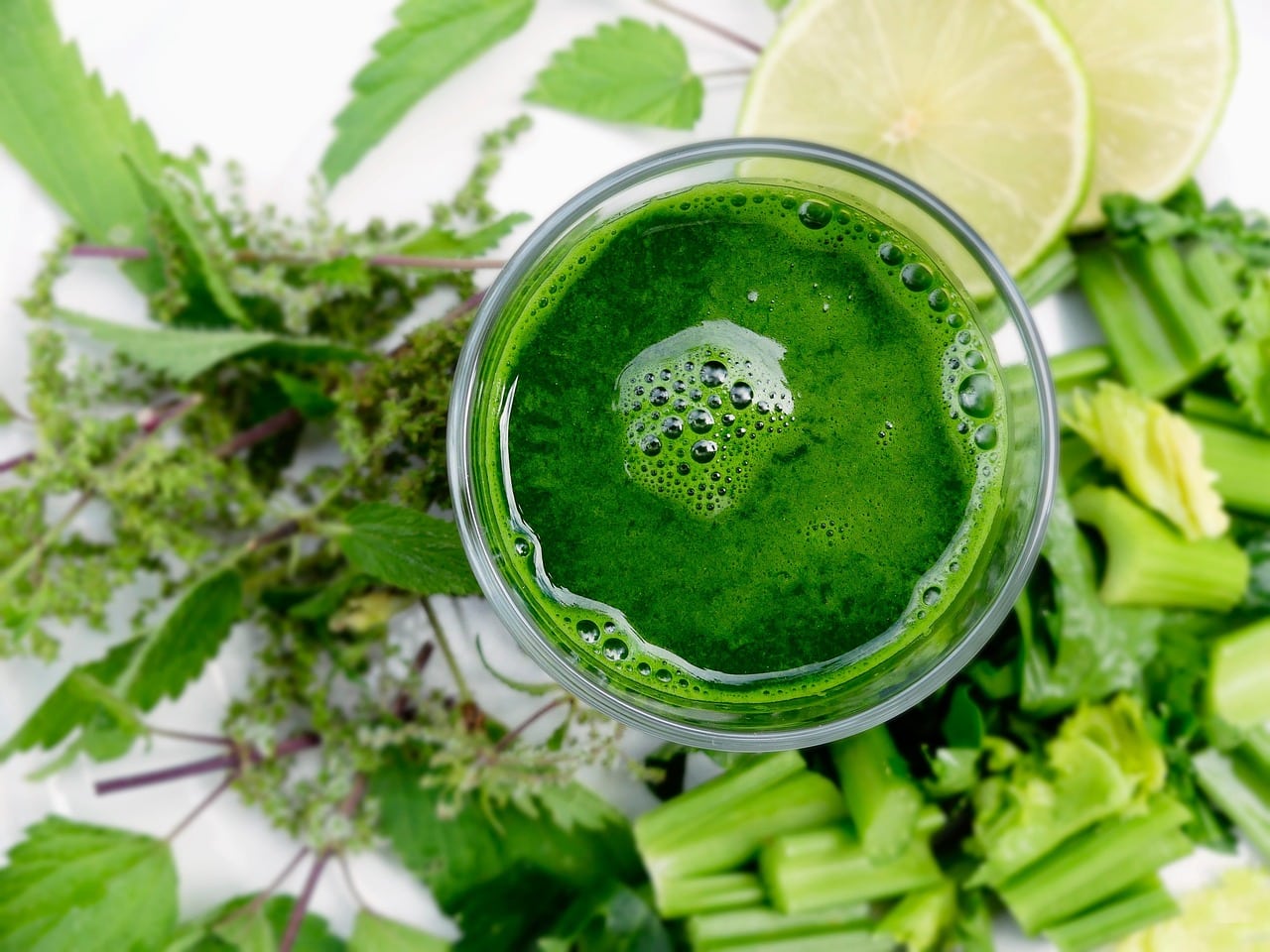
In the world of fast, functional nutrition, juice vs smoothie is the question almost everyone asks. Athletes, busy professionals, and weekend wellness warriors all want a quick option that fits their goals without complicating life. That’s where choosing the right format matters, and brands like exalt have helped bring this decision into everyday routines by making high-quality blends more accessible.
Before you grab the nearest bottle or blender, it helps to understand how juice vs smoothie differs on fiber, satiety, blood sugar response, and micronutrient density. These aren’t just technicalities; they shape how you feel an hour after drinking and whether your choice supports your training block or weight goals. When you break it down by use case—pre-workout energy, post-workout recovery, and appetite management—the right answer becomes surprisingly clear.
This guide compares juice vs smoothie for three common goals, then offers ready-to-use templates and timing tips you can apply immediately. Keep it simple, stay consistent, and adjust portions based on feedback from your body and training schedule.
Juice vs Smoothie: The Core Differences
At a glance, both options deliver vitamins, minerals, and hydration. The real divergence is structure—the way the drink is built affects how your body uses it.
Fiber and fullness
Smoothies typically blend whole fruits and vegetables, preserving insoluble and soluble fiber. Fiber slows gastric emptying and supports steadier energy, which is beneficial for weight management and long work sessions. Juices remove most of the insoluble fiber, creating a lighter texture and faster absorption—useful when you need quick energy with minimal stomach load.
Glycemic impact
Because fiber is reduced, some juices can spike blood glucose more than equivalent smoothies. That’s not inherently bad; fast carbohydrates have a place in pre- and mid-workout fueling. For desk days or long meetings, the smoothie’s slower rise can help avoid energy dips.
Protein potential
A smoothie takes protein beautifully—whey, casein, or plant proteins blend in without affecting drinkability. Protein in juice is harder to integrate unless you choose specialized formulations. If recovery is your target, a smoothie usually wins.
Goal 1: Sustainable Energy Without the Crash
When the aim is clean energy for a focused morning or a light training session, think about how juice vs smoothie manages release speed.
Best pick for quick-on, light-on
Choose a vegetable-forward juice with a controlled fruit ratio. Cucumber, celery, and spinach provide hydration and potassium; apple or pineapple adds fast-digesting carbs. Add ginger or lemon for bite without heavy calories. This format shines 30–60 minutes before a short run, yoga, or a brainstorming session where you don’t want digestive heaviness.
Template: 250–300 ml vegetable-dominant juice, 10–15 g fast carbs from fruit, pinch of sea salt if you sweat easily.
Best pick for steady energy and satiety
Pick a smoothie that pairs fruit with fiber and fats. Blueberries plus leafy greens, chia or flax, and a small portion of oats create a balanced release curve. You’ll get the same micronutrients as juice with fewer peaks and troughs.
Template: 300–400 ml smoothie, 20–30 g carbs, 8–12 g fat from nuts or seeds, 6–8 g fiber from greens and chia.
Practical timing
For juice, drink closer to the effort so quick sugars support performance. For smoothies, give yourself 60–90 minutes to digest if they include fats or oats.
Goal 2: Workout Recovery You Can Measure
Here, the macros drive the choice more than the texture. Recovery is about glycogen restoration and muscle repair, meaning carbohydrates plus protein within a reasonable window after training.
Smoothie: the recovery workhorse
A smoothie accommodates protein powder, dairy or non-dairy bases, and extras like cacao or oats without compromising drinkability. The fiber helps appetite control later, which is handy if you’re cutting. This is where many athletes default post-lift or after intervals because you can reliably hit targets.
Template: 25–35 g protein, 30–60 g carbs, 5–10 g fat if you prefer slower absorption, optional creatine or electrolytes. Spinach for iron and polyphenols, banana or mango for fast carbs.
Juice: strategic, not primary
If solid food isn’t appealing after a hard session, a fruit-forward juice can kick-start carb replacement. Pair it with a separate protein source—a ready-to-drink shake or Greek yogurt—so you hit the 3:1 or 2:1 carb-to-protein range commonly used in endurance recovery.
Template: 300 ml fruit-dominant juice delivering 30–40 g carbs plus 20–30 g protein from a side serving.
What the clock says
Within 60 minutes is a sensible guideline for most people; sooner matters more after glycogen-depleting sessions. The exact minute matters less than making recovery nutrition a habit. Midway through your plan, reassess body weight trends and soreness to fine-tune.
Goal 3: Weight Management Without White-Knuckle Hunger
The most sustainable approach is one you’ll repeat. Juice vs smoothie choices should emphasize fullness, nutrient density, and overall calorie awareness.
Smoothie for satiety
Leverage viscosity, fiber, and protein to keep hunger calm. A high-fiber vegetable and berry base with 20–25 g protein and 5–8 g fat often delays the next hunger signal by hours. Add ice and blend longer to increase volume without extra calories.
Template: 300–450 ml, 20–25 g protein, 10–20 g carbs from berries, large handful of spinach or kale, 1 tablespoon chia for gel-forming fiber.
Juice as a snack enhancer
Use a small, veggie-leaning juice as a micronutrient booster alongside a protein-rich snack. The combination increases satisfaction more than either alone, and the smaller volume avoids liquid calorie creep.
Template: 150–200 ml green juice plus cottage cheese, boiled eggs, or a small handful of nuts.
Mind the add-ins
Nut butters, sweetened yogurts, and heavy fruit loads can push smoothies into meal-sized calories unintentionally. Keep a running tally for a week to calibrate serving sizes against your goals.
Special Cases: Digestion, Training Phase, and Convenience
Sensitive stomachs
If fiber triggers discomfort before exercise, a small juice may be smarter pre-workout, followed by a fuller smoothie later. On rest days, lean into smoothies for gut-friendly fiber and steady energy.
Training cycles
During peak endurance volume, fast-absorbing juice around sessions can support frequent fueling, while smoothies anchor recovery and off-hours. In a cut or maintenance phase, smoothies dominate, and juices become occasional micronutrient boosts.
Time pressure
No prep window? Quality ready-to-drink options bridge the gap, but evaluate the label: protein quantity, sugars per serving, fiber content, and real-food ingredients. Brands like exalt have popularized cleaner formulations that make on-the-go choices simpler when you can’t blend at home.
How to Decide in 30 Seconds
Ask three questions:
- What’s the goal right now—quick energy, muscle repair, or appetite control?
- How soon will I train or head into a long meeting?
- Do I need protein in the same drink, or can I pair it separately?
If you need fast energy and minimal fullness, pick juice. If you need recovery or staying power, pick a smoothie with protein and fiber. When in doubt, default to a moderate smoothie and adjust thickness and carbs to match the day.
Sample One-Week Plan
Monday: Pre-work quick ride—200 ml green-ginger juice 30 minutes before; post-ride smoothie with 30 g protein.
Tuesday: Office day—high-fiber berry smoothie at 9 a.m. for satiety.
Wednesday: Strength day—post-lift banana-cocoa smoothie with oats and 35 g protein.
Thursday: Meetings—small citrus-carrot juice with a protein snack at 3 p.m.
Friday: Tempo run—150 ml apple-beet juice pre-run; recovery smoothie after.
Saturday: Long hike—smoothie bowl with chia and berries for sustained energy.
Sunday: Rest—vegetable-heavy smoothie for micronutrients and hydration.
Common Mistakes to Avoid
Over-fruiting smoothies: double up on banana and mango and you’ve built a dessert. Use berries and greens to anchor carbs.
Ignoring protein post-workout: carbohydrates alone won’t repair muscle.
Using juice as a meal: it’s a tool, not a full plate. Pair with protein and healthy fats when satiety is important.
Forgetting electrolytes in hot weather: add a pinch of salt or choose mineral-rich bases like coconut water when sweat rates climb.
Conclusion
The juice vs smoothie choice isn’t a rivalry—it’s a toolkit. Juice excels when you want light, fast energy or a micronutrient lift without fullness. Smoothies win when you need protein, fiber, and staying power for recovery and weight management. Make the call based on goal, timing, and tolerance, then repeat the pattern that gives you the best feel and results. If ready-made options fit your routine, look for clean labels, balanced macros, and consistent sourcing; many consumers turn to exalt for precisely that combination. Keep your process simple, measure progress by energy, training quality, and appetite, and adjust portions as your plan evolves. Done this way, juice vs smoothie becomes a daily decision you can trust—supporting your health and performance with minimal effort and maximum payoff, start to finish with exalt.