
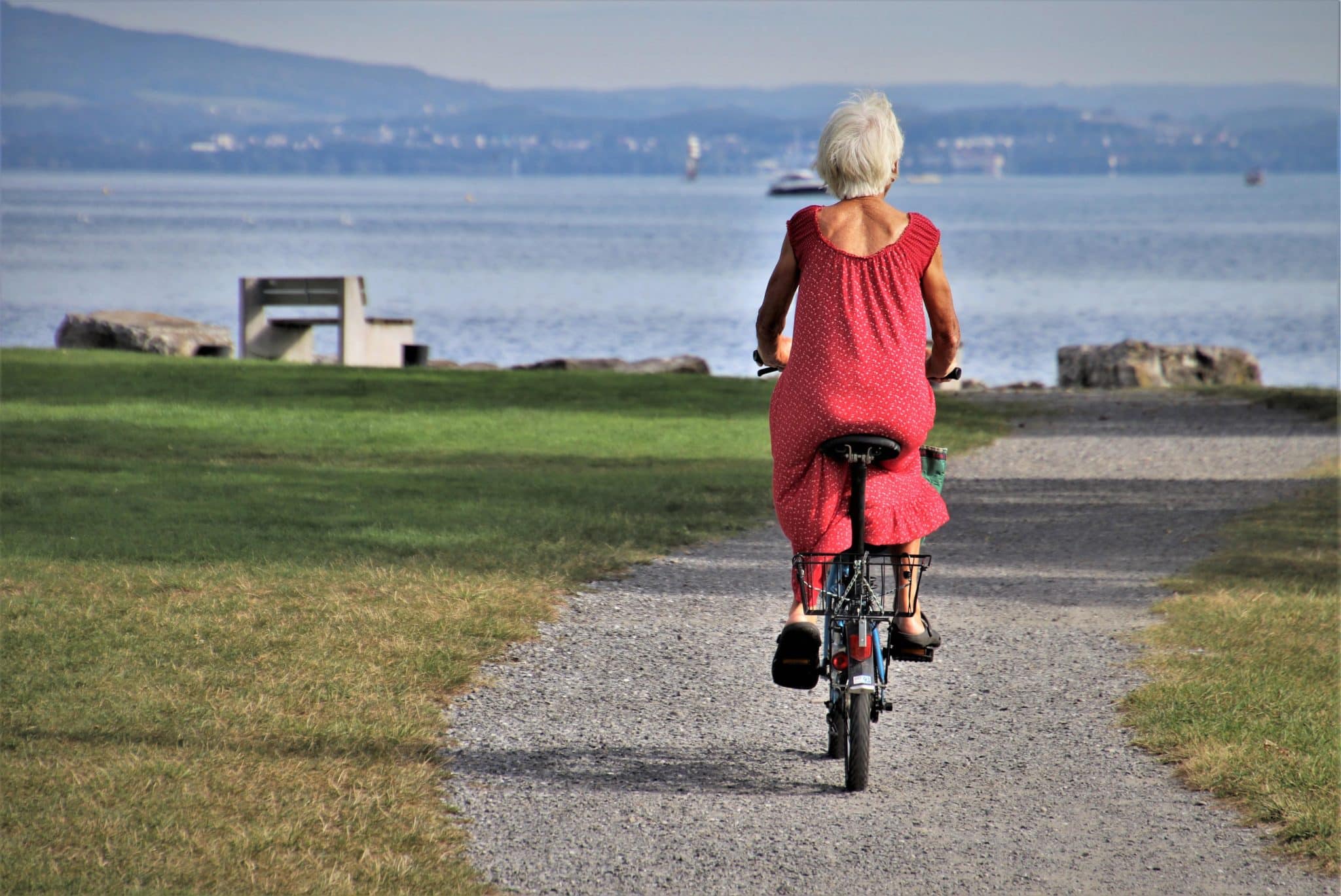


Staying active as you get older is less about pushing harder and more about moving smarter. With the right approach, you can protect your health, maintain independence, and continue enjoying the activities you love for years to come. Regular movement is strongly linked to reduced risk of major illnesses, improved mental well-being, and a longer, healthier life.
Here’s how to build an active lifestyle that lasts.
Build a Routine You Can Actually Stick To
Consistency matters far more than intensity. Health guidelines recommend that older adults aim to move every day, even if it’s light activity. The key is finding something you enjoy.
Start with simple, sustainable options:
- Walking around your local area
- Gardening or light household tasks
- Swimming or cycling
- Dance or group exercise classes
Even small amounts of regular movement can lead to long-term benefits, so focus on building a routine that fits naturally into your day.
Combine Strength, Balance, and Cardio
A well-rounded routine becomes increasingly important with age. It is not just about staying fit but about maintaining mobility, stability, and independence.
Aim to include:
- Cardio to support heart and lung health
- Strength training to maintain muscle and bone density
- Balance exercises to reduce the risk of falls
Strength and balance are particularly important, as they help prevent injuries and support everyday movements like standing, walking, and lifting.
Adapt Your Activities as Your Body Changes
Your body will change over time, and your activity choices should evolve with it. This does not mean doing less, but adjusting how you move.
Low-impact activities such as walking, swimming, and yoga are ideal for protecting joints while still building strength and endurance. These types of exercises can still be challenging without putting unnecessary strain on your body.
Listening to your body is key. If something feels uncomfortable, modify it rather than stopping altogether.
Focus on Functional Fitness
Functional fitness means training your body for everyday tasks. This becomes increasingly valuable as you get older.
Think about movements that support daily life:
- Bending and reaching
- Carrying shopping
- Getting up from a chair
- Climbing stairs
Improving these abilities helps you stay independent and reduces the likelihood of injury. Functional fitness also supports mobility and stability, which are essential for ageing well.
Support Your Activity with the Right Nutrition
Staying active is not just about movement. Nutrition plays a crucial role in maintaining energy, muscle strength, and recovery.
Focus on:
- Protein to support muscle maintenance
- Calcium and vitamin D for bone health
- Hydration throughout the day
A balanced diet, alongside regular activity, helps preserve strength and overall health as you age.
Stay Social to Stay Motivated
Activity becomes easier to maintain when it is enjoyable. Social movements can be a powerful motivator.
Joining classes, walking groups, or community activities can:
- Keep you accountable
- Improve mental wellbeing
- Reduce feelings of isolation
Staying active is not only physical. It also supports emotional health and helps you stay connected to others.
Create an Environment That Encourages Movement
Your surroundings play a bigger role than you might think. Living in a place that supports an active lifestyle can make it easier to stay consistent.
Access to safe walking areas, communal spaces, and nearby activities can naturally encourage movement. Exploring Retirement Villages can be a practical step, especially when considering locations designed with wellbeing, accessibility, and community in mind.
Choosing the right environment removes barriers and makes staying active part of your everyday routine.
Start Now and Adjust as You Go
One of the biggest misconceptions is that you need to be highly active already to maintain it later. In reality, it is never too late to begin.
Small steps taken now can lead to significant long-term improvements in strength, balance, and overall health. Even modest increases in activity can help you stay independent and reduce the risk of chronic conditions over time.
Maintaining an active lifestyle into your later years is about making intentional, sustainable choices. By building the right habits, adapting when needed, and creating a supportive environment, you can continue to move well, feel strong, and enjoy life on your own terms.