
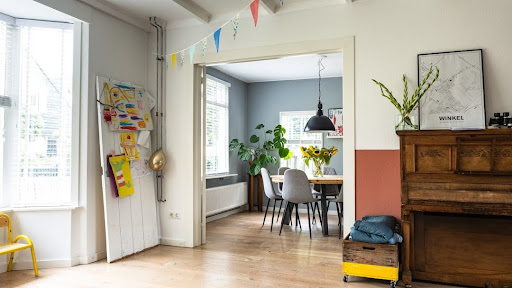


Wooden flooring is one of the most rewarding investments a homeowner can make, offering long-term durability and natural beauty that improves with age. The right choice depends on the wood type, room conditions, finish, and installation method, all of which significantly affect how the floor performs over time. For those ready to explore their options, suppliers of wooden flooring in Glasgow carry a wide range of species and finishes to suit both traditional period properties and modern interiors.
Solid Wood Versus Engineered Wood
The two main categories of wooden flooring are solid wood and engineered wood, and understanding the difference is essential before making a purchase. Solid wood planks are cut from a single piece of timber and can be sanded and refinished multiple times across their lifespan, making them a genuinely long-term investment. Engineered wood uses a real wood veneer bonded to a stable, layered core, giving it greater dimensional stability and making it suitable for a wider range of subfloor types, including concrete and ground-floor installations where solid wood would not be appropriate.
Choosing a Wood Species
The species of wood affects both the visual character and the durability of the finished floor. Oak is the most widely used option in the UK, valued for its hardness, warm grain, and ability to accept a broad range of stains and finishes. Walnut provides a richer, darker aesthetic suited to more formal spaces, while ash delivers a lighter, more contemporary look. Each species carries a different hardness rating, which is worth considering in high-traffic areas such as hallways, kitchens, and family living rooms.
Moisture Levels and Subfloor Compatibility
Wood and excess moisture are not compatible, so assessing your subfloor conditions before selecting a product is essential. Solid wood is generally not recommended for installation on concrete subfloors or in rooms with elevated humidity, such as bathrooms or utility areas. Engineered wood handles these conditions more reliably due to its cross-ply construction, which resists the expansion and contraction that solid timber is prone to when moisture levels fluctuate. A professional installer will typically carry out a moisture meter test before laying any wooden floor and may recommend a damp-proof membrane if readings are above the acceptable threshold.
Finishes and Surface Treatments
Wooden floors are available either pre-finished from the factory or finished on-site after installation. Pre-finished boards are treated with lacquers or oils cured under UV light, ready for immediate use after fitting with no drying time required. Site-finished floors allow for a more seamless result across larger spaces, as the finish is applied uniformly once all boards are in place. Oiled finishes give a natural, matte appearance that shows the grain clearly, while lacquered finishes offer greater resistance to everyday scuffs.
Installation Methods
The correct installation method depends on the product type and the subfloor beneath it, and choosing the wrong approach can create problems that are expensive to correct later. Floating installations, where boards are clicked together without being fixed to the subfloor, are common with engineered wood and allow for natural movement as temperatures and humidity levels change through the seasons. Glue-down and nail-down methods are preferred for solid wood on timber subfloors, providing a firmer, more solid feel underfoot. An experienced installer will assess your subfloor, check for levelness, and recommend the most appropriate method for your specific situation before any work begins.
Ongoing Maintenance and Care
One of the key advantages of wooden flooring is its longevity when maintained correctly over time. Regular sweeping or dry vacuuming removes grit and debris that can scratch the surface finish, particularly in busy hallways and kitchen areas. Avoid excess water when cleaning, and use products formulated specifically for wooden floors rather than general-purpose household cleaners, which can damage the finish over time. Oiled finishes require periodic re-oiling to maintain their protective qualities, while lacquered finishes are lower-maintenance but may require professional attention if they are deeply scratched. With the right care routine in place, a well-installed wooden floor can remain in excellent condition for several decades.