
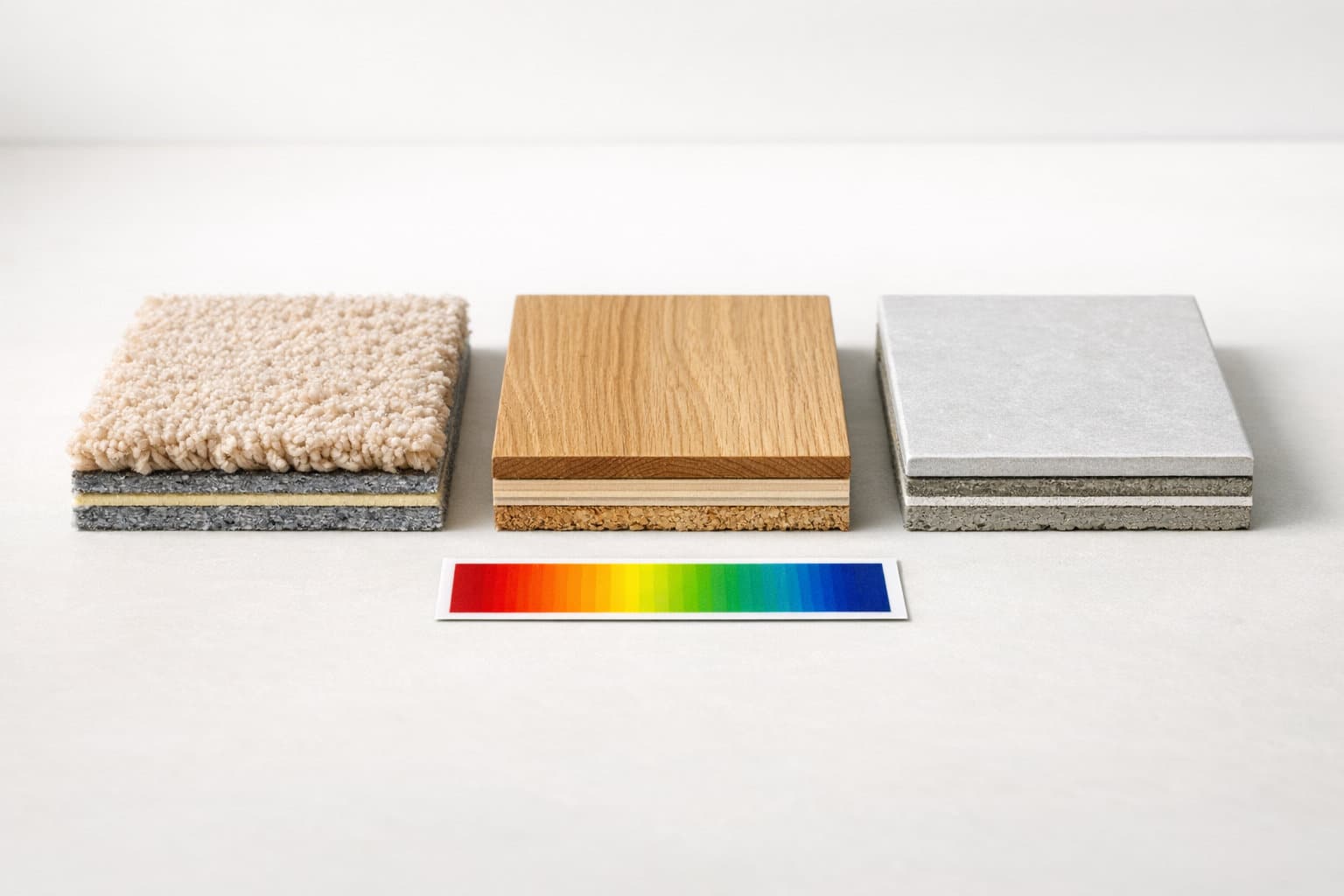


The flooring you choose has a direct impact on your home’s energy efficiency. This article examines how various materials, underlays, and installation methods can influence heat retention, comfort, and ongoing energy costs, helping you make well-informed decisions for your property.
The surfaces you walk on every day do more than set the style and feel of a room. They are a key factor in regulating warmth and controlling household energy loss. Flooring in St Helens, regardless of property age or design, interacts with walls, windows, and insulation to influence energy efficiency throughout the home. As costs and environmental concerns increase, knowing how floors contribute to thermal comfort and efficiency helps you consider the best materials for your needs, budget, and daily life.
How floor coverings contribute to energy efficiency
Your home’s floor is an important surface for energy transfer. When considering heating and comfort, it is important to recognise how much heat may be lost through the floor, especially in rooms located above unheated spaces or with insufficient insulation beneath.
Floors work together with walls, ceilings, and windows to create a balance of comfort and energy savings. If a floor feels cold or is draughty, you may use more heating to compensate, which raises energy bills in the process.
Understanding thermal properties and insulating layers
Thermal conductivity is a measure of how easily heat passes through a material. Some types of flooring, such as tile or stone, conduct heat rapidly and can feel cold to the touch, while others, like carpet, slow the movement of heat and create a warmer feeling underfoot.
The importance of the underlay is sometimes overlooked. When effectively chosen, underlay acts as an insulating layer, reducing unwanted heat loss through the floor structure and limiting draughts that can make a space less comfortable. Notably, the feeling of warmth does not always correspond with actual heat retention properties.
Comparing carpet’s warmth to hard flooring surfaces
Carpet and high-quality underlay work as a barrier against heat loss. The fibres and multiple layers help slow heat transfer, which can keep rooms warmer for longer periods and reduce the demand on your heating system. The thickness and quality of carpet underlay play a significant role in improving overall energy efficiency.
On the other hand, laminate, vinyl, engineered wood, or ceramic tile may feel cooler, particularly when installed over concrete or uninsulated ground floors. Hard floors usually do not provide the same insulation values as thick carpets, although some newer options can be used with specialist insulation materials. In high-traffic or moisture-prone rooms, the choice of flooring balances durability with the ability to retain warmth and withstand daily use.
Installation factors and the impact of underfloor heating systems
The type of subfloor—concrete slab or suspended timber—affects how well your floors maintain indoor temperatures. Gaps and poor installation may allow draughts or let heat escape, reducing the effectiveness of even the best surface treatments.
For underfloor heating, flooring selection becomes even more important. Materials such as stone and porcelain tiles conduct warmth efficiently, while thick carpets and some laminates may insulate too much and reduce the quick response often expected from these systems. Selecting materials that work well with underfloor heating can help optimise both comfort and cost-effectiveness, especially where energy use is a priority.
Maintaining warmth and comfort through care and practical planning
Wear and damage over time can lower the contribution your floor makes to energy efficiency. Gaps, fraying, or surface cracks may allow air movement, countering the benefits of proper installation and good material choice.
Regular maintenance, timely repair of damage, and, when needed, updating the underlay or sealing expansion joints, all support the intended thermal performance. Consistent care retains both comfort and the functional benefits you expect from your flooring choices.
Key questions for balancing efficiency and lifestyle needs
When updating or replacing flooring, weigh daily comfort against longer-term energy cost considerations, household routines, durability, and each room’s function. Is the room frequently used, or does it remain largely unheated? Consider the existing insulation and whether underfloor heating will be needed.
Long-term energy efficiency results from both the surface material and the underlying layers, as well as the quality of installation. Careful planning and understanding your property’s structure can help you choose flooring that meets both energy and lifestyle goals.