
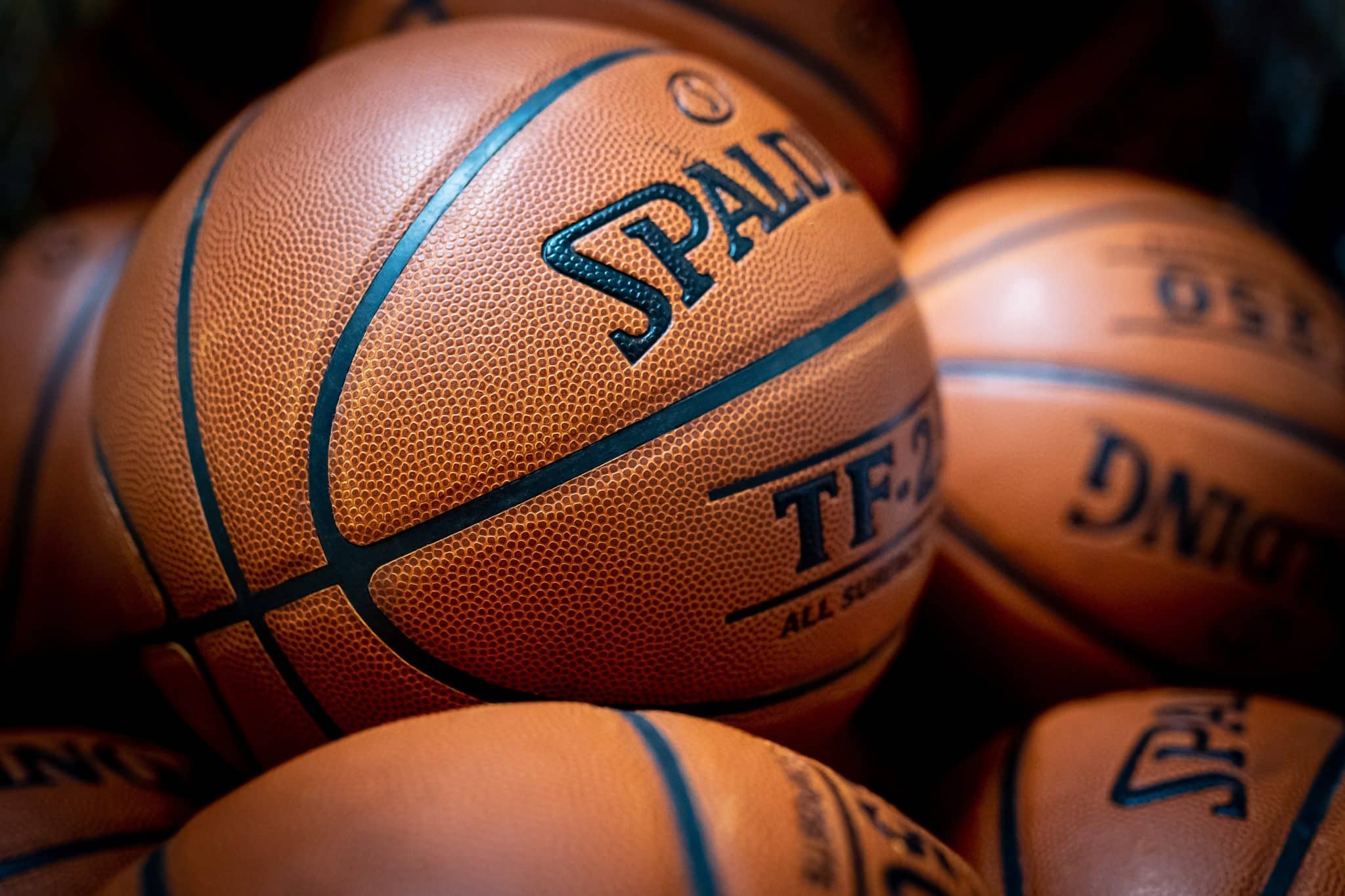
In arenas packed with roaring fans and under the glare of national television lights, NCAA basketball has always been about moments. A buzzer-beater in March Madness, a player collapsing in celebration, a coach frozen mid-shout, these are the images that define college sports. But today, those moments are no longer just captured; they are increasingly controlled, negotiated, and monetized.
The rise of Name, Image, and Likeness (NIL) rights has fundamentally reshaped how athletes, photographers, and media outlets interact. Once, photographers covering NCAA basketball focused solely on telling the story of the game. Now, they must also navigate a complex web of permissions, ownership rights, and commercial implications.
A New Era for Athlete Control
For decades, college athletes had little say over how their images were used. That changed in 2021 when the National Collegiate Athletic Association allowed athletes to profit from their NIL. Suddenly, a standout guard hitting a game-winning shot wasn’t just making headlines, they were creating a marketable asset.
Players can now sign endorsement deals, license their images, and even partner directly with photographers or brands. Stars like Caitlin Clark have demonstrated how powerful a single photograph can be when paired with a strong personal brand. A dramatic courtside image can quickly become part of a sponsorship campaign, social media marketing, or merchandise line.
The Photographer’s Dilemma
For sports photographers, this shift has introduced both opportunity and uncertainty. Traditionally, photographers—whether working for newspapers, wire services, or freelance—owned the rights to the images they captured. Those images could be licensed to publications, advertisers, or archives.
Now, NIL complicates that equation. While photographers still hold copyright to their work, the commercial use of an athlete’s likeness may require additional permissions. A photo used in a news story is generally protected under editorial use, but the same image used in advertising or promotional material can trigger legal concerns.
This has led to more negotiations behind the scenes. Photographers may strike agreements directly with athletes or their agents, particularly for posed or exclusive shoots. In some cases, schools and collectives have also entered the picture, adding another layer to the rights landscape.
Media Outlets Adjust to New Rules
News organizations covering NCAA basketball are also adapting. Editorial NCAA basketball photography remains protected, but the line between journalism and branded content is becoming thinner. Social media posts, sponsored content, and digital campaigns often blur traditional boundaries.
Publications must now carefully consider how images are used beyond straightforward reporting. A photograph posted to promote a subscription service or used in a marketing campaign may fall outside editorial protections, raising questions about compensation and consent.
This has forced many outlets to revisit their policies, ensuring compliance while still delivering compelling visual storytelling.
The Value of a Single Image
In the age of NIL, a single photograph can carry immense value. A perfectly timed shot—a player soaring for a dunk or reacting emotionally after a win—can circulate across platforms within minutes. It may be reposted by the athlete, shared by fans, and picked up by brands looking to capitalize on the moment.
This rapid distribution has amplified the importance of attribution and rights management. Photographers are increasingly using watermarks, metadata, and licensing platforms to maintain control over their work. At the same time, athletes are becoming more selective about which images they associate with their personal brands.
Collaboration Over Conflict
Despite the challenges, many in the industry see this moment as an opportunity for collaboration rather than conflict. Photographers and athletes can now work together in ways that were previously impossible under NCAA rules.
Some photographers are building direct relationships with players, offering customized shoots or revenue-sharing agreements. Athletes, in turn, gain access to high-quality imagery that enhances their marketability.
This collaborative approach reflects a broader shift in college sports, where athletes are no longer just participants but active stakeholders in the business of the game.
The Future of NCAA Basketball Imagery
As NIL continues to evolve, so too will the role of photography in NCAA basketball. Legal frameworks are still developing, and best practices are being shaped in real time. What remains constant, however, is the power of the image.
From the electric atmosphere of tournament play to the quiet intensity of a free throw, photography will always be central to how fans experience the game. The difference now is that those images carry not just emotional weight, but economic value as well.
In this new era, framing the game means more than capturing the action—it means understanding who owns it, who profits from it, and how those dynamics shape the future of college sports.