
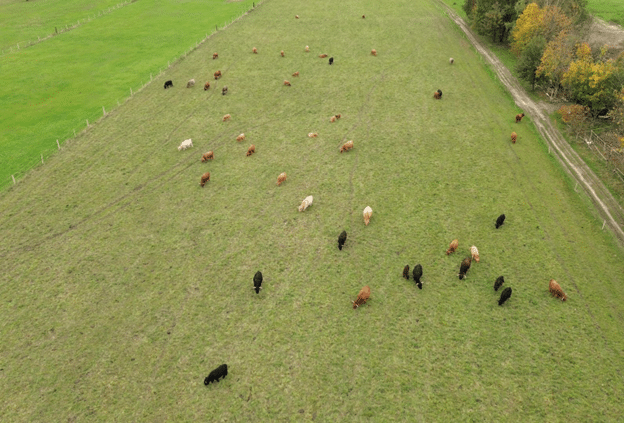


The world of livestock and rangeland management is undergoing a profound transformation, and aerial technology is leading the change. As global demand for protein rises and climate pressures intensify, producers are searching for smarter, more efficient ways to monitor herds and manage vast landscapes. Drones for livestock and rangeland management have moved from experimental novelties to essential tools that deliver measurable returns on investment, reduce labor costs, and improve animal welfare. This comprehensive guide explores how drone technology is reshaping the industry and why forward-thinking ranchers are embracing the aerial advantage.
The Scale of the Transformation
The numbers tell a compelling story. The global market for livestock management drones was valued at 5.03 billion US dollars in 2024 and is projected to reach 44.23 billion dollars by 2032, representing a remarkable compound annual growth rate (CAGR) of 31.20%. This explosive growth reflects the industry’s recognition of drone technology as not merely an accessory but a fundamental tool for modern livestock operations.
Drones are being utilized by livestock farmers worldwide for tasks such as monitoring animal health, tracking herd movements, and conducting crop surveys. The integration of artificial intelligence, GPS, and image recognition has created so-called “autonomous flying cowboys” that don’t just take photos — they deliver actionable insights.
Key Applications of Drones in Livestock Management
1. Herd Monitoring and Health Assessment
One of the most significant benefits drones offer is improved monitoring of animal health and behavior with minimal stress to the herd. Human presence, especially during gathering or close inspection, can lead to elevated stress responses in cattle, which negatively impacts weight gain and overall productivity. Drones allow producers to observe animals from a distance, reducing stress while gathering more comprehensive data.
With high-resolution cameras and thermal imaging sensors, drones can:
- Identify sick, injured, or distressed animals without entering the paddock
- Detect lameness, abnormal behavior patterns, or signs of illness early
- Monitor pregnant animals approaching calving
- Check for estrus activity to optimize breeding programs
- Count livestock with greater accuracy than ground-based methods
In dairy operations, an AgTech Report from 2025 found that one in three dairy farms now uses drones for daily operations, with drone technology reducing scouting time by 50% and freeing farmers for more strategic tasks. This efficiency gain is critical in an era of persistent labor shortages.
2. Precision Mustering and Herd Movement
Moving livestock across vast, rugged terrain has traditionally been one of the most labor-intensive and dangerous tasks in ranching. Helicopters, while effective, are expensive — costing up to $500 per hour — and require highly trained pilots. Drones offer a safer, more cost-effective alternative.
Australian stockman Luke Chaplain pioneered the use of drones for mustering, demonstrating that drones could offer a safer, more cost-effective alternative to helicopter mustering. The cost and safety benefits were just a few of the many advantages brought to the livestock industry.
The advantages of drone mustering include:
- Drastic cost reduction: Helicopter mustering can cost up to $500 per hour; drones offer a fraction of that expense.
- Improved safety: Removes the need for low-level helicopter flights over dangerous terrain.
- Pre-mapping capabilities: Producers can pre-map musters and plan efficient routes.
- Night-time operation: Thermal-equipped drones can muster cattle in the dark, allowing ground crews to start work at daylight and beat the heat of the day.
- Reduced animal stress: Drones produce less noise disturbance than helicopters.
In North Queensland, remote mustering with drones has been proven to out-compete other mustering methods regarding safety and environmental impact. Economic analysis indicates that drone mustering can be a cost-effective alternative, with potential savings in operational costs and time.
3. Rangeland and Pasture Health Assessment
Managing rangelands effectively requires accurate, timely data on vegetation cover, forage availability, and ecosystem health. Drones equipped with multispectral sensors can capture high-resolution imagery of soil and vegetation characteristics across large areas, providing a more comprehensive understanding of rangeland conditions than traditional field sampling.
Specific applications include:
- Vegetation cover and height monitoring: Drones can track forage biomass and utilization rates across entire pastures.
- Weed detection and management: Identifying invasive species before they spread.
- Fire risk assessment: Monitoring dry vegetation and planning controlled burns.
- Grazing management decisions: Generating landscape-scale data to inform rotational grazing strategies.
- Post-fire rangeland restoration: University of Idaho researchers have demonstrated that large drones can be effective tools for reseeding wildfire-scorched rangeland in rugged and inaccessible locations.
Drone-imagery methods can observe larger extents to estimate indicators at landscape scales with higher confidence than traditional field sampling. They also have the potential to replace field methods in some instances and enable the development of indicators not measurable from the ground.
4. Water Source and Infrastructure Inspection
In remote rangelands, water is life. Checking troughs, tanks, pipelines, and pumps has traditionally required hours of driving across rough terrain — consuming time, fuel, and labor. Drones dramatically streamline this process.
- Remote water monitoring: Aerial inspection of water levels and trough functionality without physical travel.
- Leak detection: Identify pipeline breaks or trough leaks from the air.
- Infrastructure damage assessment: Check fences, gates, and stock handling facilities.
- Fuel savings: Remote water monitoring systems have been a major source of fuel savings for many properties, allowing producers to check tank levels, troughs, and pump performance from a phone or computer, reducing the need for regular water runs which can add up to big fuel savings.
5. Advanced Technologies: Thermal Imaging, LiDAR, and AI
Modern livestock drones integrate cutting-edge technologies that transform raw aerial footage into actionable management intelligence.
Thermal Imaging
Thermal cameras detect heat signatures, allowing producers to locate animals even in complete darkness, dense brush, or tall grass. This capability is invaluable for:
- Finding newborn calves during difficult weather conditions
- Locating sick or injured animals by detecting abnormal body temperatures
- Night-time mustering operations
- Monitoring predator activity around livestock
A thermal drone equipped with optional speaker modules for real-time communication and mustering combines RGB and thermal cameras with zoom capabilities and extended flight times. This makes it a perfect solution for detection, tracking, and mustering.
LiDAR for Individual Animal Monitoring
Light Detection and Ranging (LiDAR) technology enables precise monitoring of individual cattle growth. A study utilizing UAV-based LiDAR systems monitored the growth of 96 semi-free-range beef cattle. This approach supports precision livestock farming by tracking individual animal performance without the stress of yarding.
Artificial Intelligence and Computer Vision
AI-powered drone systems can:
- Automatically detect and count livestock using deep learning object detection models.
- Identify behavioral changes that signal health issues, calving, or distress.
- Flag water shortages or infrastructure problems before they become emergencies.
- Analyze forage utilization and grazing patterns.
- Generate real-time alerts when animals are outside designated zones.
The autonomous “flying cowboys” of today use artificial intelligence, GPS, and image recognition to monitor the welfare of beef cattle across vast open ranges. These drones deliver actionable insights: detecting behavioral changes, flagging potential calving, water shortages, or infrastructure issues, and helping ranchers respond quickly before problems escalate.
6. Feral Animal and Predator Management
In many regions, feral animals (pigs, wild dogs, foxes) cause significant economic damage to livestock operations. Drones equipped with thermal cameras and zoom lenses can detect feral animals during the night and in low-light conditions, making them an ideal solution for detection, tracking, and management.
Drones vs. Traditional Methods: A Comparative Analysis
| Operational Area | Traditional Method | Drone Method | Advantage |
| Herd Counting | Ground-based visual count (hours to days) | Aerial survey (minutes) | 90%+ time savings |
| Mustering | Helicopter ($500/hour) or motorbike | Drone (fraction of cost) | 50-80% cost reduction |
| Health Monitoring | Physical inspection (stressful, labor-intensive) | Remote observation (low-stress) | Reduced stress, 50% less labor |
| Water Check | Vehicle travel across paddocks | Aerial inspection | Major fuel and time savings |
| Pasture Assessment | On-foot sampling (limited coverage) | Multispectral mapping (complete coverage) | Superior data quality and extent |
| Predator Surveillance | Night patrols (dangerous, limited) | Thermal night flights (safe, comprehensive) | Improved safety and coverage |
| Feedlot Monitoring | Manual trough reading | Automated aerial inspection | Accuracy + Efficiency |
The Economic Argument: ROI for Livestock Drone Adoption
The return on investment for drone technology in livestock operations is compelling and increasingly well-documented.
| Benefit Category | Reported Savings/Impact |
| Labor cost reduction | Up to 40% reduction achievable |
| Cattle stress reduction | As much as 50% reduction |
| Mustering cost savings | Up to 80% (compared to helicopter) |
| Fuel savings | Significant reduction (water runs, checks) |
| Preventable mortality | Reduced through early detection |
| Time efficiency | 50% less scouting time |
An economic analysis of drone mustering indicated that drone mustering can be a cost-effective alternative, with potential savings in operational costs and time. The introduction of more affordable drone models, such as the DJI Mavic 3 Enterprise Thermal, has increased the return on investment, making drone technology accessible to a broader range of producers.
For smaller farms, the challenge is often one of time and capacity. A drone can scan vast areas at a fraction of the cost of traditional methods and without the fuel, crew, or risk.
Real-World Implementation: A Rancher’s Perspective
The following checklist outlines the key steps for integrating drone technology into a livestock operation.
| Implementation Step | Key Considerations |
| Assess Needs | Identify priority tasks (mustering, monitoring, water checks) |
| Select Equipment | Choose appropriate drone type and sensor payload |
| Training | Obtain required certifications and operator training |
| Regulatory Compliance | Understand local aviation and privacy regulations |
| Pilot Program | Start with a small trial area to validate benefits |
| Full Integration | Scale up and integrate with existing management systems |
In Queensland, Australia, ranchers have demonstrated that thermal drones have advantages over helicopter mustering, notably cheaper costs. “I reckon for the cost of a chopper, $500 an hour to go out there and try to find those bulls, you could do it far more cheaply with a drone,” reported one producer. The drone can muster cattle in the dark, allowing ground crews to pick them up at daylight, beat the heat, and get an earlier start.
Why Jinghong Drone is Your Ideal Partner
At Jinghong Drone , we understand that modern livestock management demands equipment that is reliable, efficient, and purpose-built for rugged conditions. As a leading manufacturer of agricultural drones, we deliver solutions specifically designed for the unique challenges of livestock and rangeland management.
Our drone systems are engineered with features that matter most to producers:
- Extended flight times for covering vast rangelands
- Heavy-lift capabilities for payloads including water, seed, and feed
- Thermal imaging options for night-time mustering and animal detection
- User-friendly controls with autonomous mission planning
- Durable construction for daily operation in remote environments
- Professional support from purchase through ongoing maintenance
Whether you are managing a small family ranch or a million-acre enterprise, Jinghong Drone has the technology and expertise to help you work smarter, not harder.
Ready to transform your livestock operation? Explore our full range of agricultural drone solutions at JInghong Drone and discover why producers worldwide are making the switch.
Frequently Asked Questions (FAQs)
Q: Are drones actually effective for monitoring large rangelands?
Yes. Drones equipped with high-resolution cameras and extended flight batteries can cover hundreds of acres in a single flight. For operations with vast holdings, fixed-wing drones and multi-rotor fleets provide comprehensive coverage at a fraction of the cost of helicopter time.
Q: Can drones really muster cattle without stressing them?
Yes and effectively so. Drones flown at appropriate altitudes produce less noise disturbance than helicopters and cause less stress than on-ground mustering with vehicles or dogs. The ability to muster at night with thermal cameras further reduces stress by avoiding daytime heat.
Q: How much can I save by using drones for mustering?
Savings vary by operation, but helicopter mustering can cost $500 or more per hour. Drones reduce that cost by 50–80% or more, with additional savings in fuel, maintenance, and labour. One operational analysis found drone mustering to be significantly more cost-effective than helicopter alternatives.
Q: Are drones difficult to operate in remote areas?
Modern agricultural drones feature intuitive controls, automated flight planning, and GPS-based navigation. Professional training is recommended and readily available through manufacturers and local agricultural extension services.
Q: Can drones help with feral animal and predator control?
Absolutely. Thermal-equipped drones are highly effective for detecting feral pigs, wild dogs, and other predators during night-time hours. They can locate animals in dense cover and coordinate ground responses. Some drone models can also be equipped with speaker modules for hazing.
Q: What is the typical lifespan of an agricultural livestock drone?
With proper maintenance and responsible operation, professional agricultural drones typically last 3–5 years, depending on flight hours and operating conditions.
Q: Do I need special certification to operate drones on my ranch?
Regulations vary by country. In most jurisdictions, drones operated for commercial agricultural purposes require some form of certification. Check with your local aviation authority for specific requirements.
Conclusion
Drones for livestock and rangeland management have revolutionized the way producers monitor herds, manage pastures, and move cattle. The evidence is overwhelming: drones reduce costs, save time, lower animal stress, improve safety, and generate data that drives better management decisions.
The global livestock industry is embracing this technology at an unprecedented rate. With the market projected to grow from 5 billion to over 44 billion dollars by 2032, the question for producers is no longer whether to adopt drones, but how quickly they can integrate them into their operations.
From mustering in rugged terrain at night with thermal cameras to detecting sick animals before symptoms become visible, from mapping pasture health across thousands of acres to checking water troughs without leaving home — drones are proving themselves as essential tools for the modern producer.
The livestock industry of tomorrow will be more efficient, more humane, and more sustainable because of the aerial perspective that drones provide. The technology is ready. The benefits are proven. The question is: are you ready to take flight?