

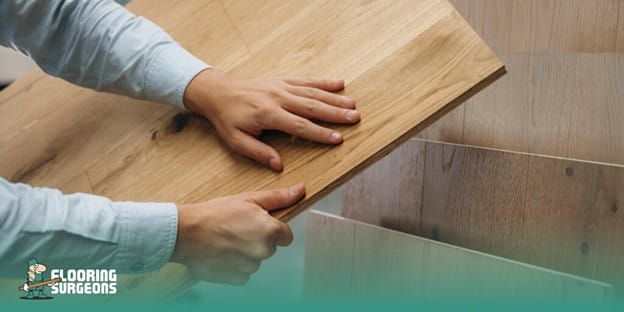
Selecting between LVT and LVP can seem somewhat overwhelming. After all, they both look luxurious and function great in any contemporary household. To the naked eye, they look the same- yet if you look closely, the products have variations that can affect your bottom line, style, and overall happiness.
LVT and LVP Flooring Difference Explained
The best way to understand the true difference between LVT and LVP flooring is to understand how each material is constructed. LVT is constructed in tiles; hence its name, Luxury Vinyl Tile. LVTs commonly resemble stone or ceramic tile patterns. LVP is constructed in planks; hence its name, Luxury Vinyl Plank. As you may have guessed, LVP looks almost identical to hardwood floors.
So, in terms of LVT vs LVP, the difference usually comes down to format, appearance, and the interior design genre they fit.
Is LVT the Same as LVP?
“Is luxury vinyl tile the same thing as luxury vinyl plank?” We get asked this a lot. The short answer is no. Although both are luxury vinyl products made from the same basic materials, they address different design needs. LVT is ideal for modern or minimal spaces, while LVP is better if you’re looking for a warmer, wood look.
If you want to explore a more stylish wood-inspired layout, check out Herringbone Luxury Vinyl Flooring for a premium design option.
LVT vs LVP Pros and Cons
To make a smarter decision, it helps to break down the LVT vs LVP pros and cons in a clear way:
| Appearance | Stone or ceramic look | Natural wood look |
| Water Resistance | Excellent | Excellent |
| Comfort | Slightly firmer | Warmer underfoot |
| Installation | Simple click or glue-down | Simple click or glue-down |
| Best For | Bathrooms, kitchens, modern areas | Living rooms, bedrooms, homes |
| Price Range | Mid to high | Mid-range |
Cost, Style & Smart Choices for LVT vs LVP
When comparing LVT and LVP, costs are quite similar, but the final price depends more on design and installation than the material itself.
Average Prices (UK 2026)
| Material (mid-range) | £30 – £50/m² | £30 – £45/m² |
| Installation (standard) | £10 – £25/m² | £10 – £25/m² |
| Installation (herringbone) | £35 – £50/m² | £25 – £40/m² |
| Total (supply + fit) | £45 – £90/m² | £40 – £85/m² |
Key Cost Insights
- LVP is usually slightly cheaper due to faster installation.
- LVT can cost more in premium stone-look designs.
- Complex layouts, such as Herringbone Luxury Vinyl Flooring, significantly increase labour costs.
- Subfloor preparation can add £3–£8/m².
To plan your budget properly, reviewing guides like the luxury vinyl flooring cost is highly recommended.
Quick Example
For a 20m² room:
- Standard finish: £900 – £1,400
- Herringbone style: £1,400 – £2,000+
Ultimately, LVT and LVP are similar in price. The most significant differences involve installation methods, design applications, and intended aesthetic, not just the material used.
Final Thoughts
If you are undecided, consider your existing space and décor. Both LVT and LVP deliver durability and modern style. Ultimately, your choice depends on your preference for stone or wood textures.
FAQs
Are LVP and LVT the same?
No, they are not the same. They share materials but differ in design, format, and visual impact.
Are LVT floors good?
Yes, LVT floors are highly durable, water-resistant, and versatile, making them a solid choice for both residential and commercial spaces.
Can you put LVP on top of LVT?
In some cases, yes. However, the existing LVT surface must be level, secure, and free from damage to ensure proper installation.