
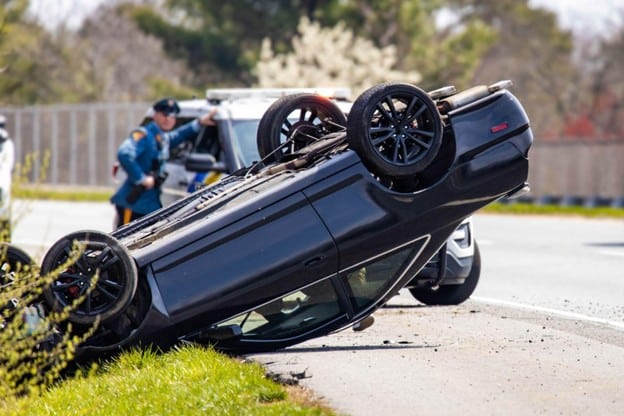


Accidents strike without notice. One moment, the road feels safe; the next, a quick turn or sudden swerve can send a vehicle tumbling.
Rollover accidents rank among the most terrifying experiences for any driver or passenger. In just a few heart-stopping seconds, chaos erupts, fear sets in, and the impact can leave marks that last far longer than the bruises and dents.
Knowing the reasons behind these flips is more than just knowledge. It can be lifesaving for you. From how a vehicle is handled to its very design, every detail plays a role in rollover accident cases.
Vehicle Types and Designs
Not all vehicles behave the same on the road. Taller vehicles like SUVs, vans, and pickup trucks have a higher center of gravity, which makes them more prone to tipping over. Even a slight turn or a sudden maneuver can upset the balance. Vehicles built for off-road adventures are not immune either.
It’s easy to underestimate the impact of design on safety. Drivers may feel confident in a sturdy-looking SUV, but the taller frame requires extra caution. Weight distribution, suspension, and tire width all contribute to stability. A heavy load in the back or uneven cargo can make even the most stable vehicle more likely to roll over. Knowing your vehicle and how it reacts to turns and bumps is essential.
Speed and Sharp Turns
Speed is often the hidden culprit behind rollover accidents. Taking corners too fast or overcorrecting after a sudden swerve can turn a minor incident into a dangerous flip.
Sharp turns on highways or rural roads can surprise drivers, especially if they aren’t expecting the vehicle to react quickly. Overconfidence behind the wheel sometimes leads to aggressive maneuvers. Even a simple avoidance of debris can result in a sudden shift of balance. Staying mindful of speed and anticipating turns is a simple but powerful way to reduce risk.
Road Conditions and Environment
The road beneath your tires can be just as dangerous as anything you do behind the wheel. Uneven surfaces, potholes, wet patches, or gravel can make a vehicle less stable. Steep curves or soft shoulders increase the chance of a rollover.
Rural areas and construction zones often hide these risks. A slight dip or an unexpected soft patch can trigger a rollover in seconds. Drivers need to be aware of their surroundings and road quality. Even experienced drivers can be caught off guard. Slowing down and staying alert is often the difference between a safe ride and a disaster.
Driver Actions and Behavior
Driver behavior is a significant factor in rollover accidents. Distractions, aggressive steering, or panicked reactions can all contribute. Overcorrecting after drifting off the lane, swerving to avoid a sudden obstacle, or making sudden lane changes puts a vehicle at risk of flipping.
Patience and focus behind the wheel are more important than raw skill. Defensive driving, paying attention to road signs, and resisting the urge to react aggressively help prevent rollovers. Every decision matters in those split seconds.
Vehicle Load and Weight Distribution
How a vehicle is loaded can change its handling entirely. Overloading or uneven weight distribution can destabilize a vehicle.
- Heavy cargo in the back
- Uneven passengers
- Improperly secured equipment
All these increase the likelihood of a rollover. Even vehicles designed for heavy loads, like trucks or vans, can become unstable if weight isn’t appropriately managed. Keeping cargo balanced and within safe limits is a simple precaution that saves lives.
Types of Rollover Accidents
Understanding the different ways rollovers happen makes it easier to prevent them. There are a few common types:
Single-Vehicle Rollover
These occur when a single vehicle flips, often due to sharp turns, speeding, or uneven surfaces. It is the most common type and usually happens without another car involved.
Multiple-Vehicle Rollover
When a vehicle collides with another and flips, it’s called a multiple-vehicle rollover. These accidents are often more severe because of the combined forces and impact.
Tripped Rollover
A tripped rollover occurs when a vehicle slides sideways and hits an object, such as a curb or soft shoulder, causing it to flip. It can happen even at moderate speeds and is common in areas with poor road maintenance.
Untripped Rollover
This is caused entirely by the vehicle’s motion, usually due to sharp turns or sudden maneuvers, without any contact with external objects. It often surprises drivers who feel they are in control until it’s too late.
Safety Tips While Driving
Avoiding a rollover requires a combination of awareness, patience, and proper vehicle use. Some helpful tips include:
- Always wear your seatbelt.
- Slow down on sharp curves and turns.
- Avoid overloading your vehicle.
- Keep cargo evenly distributed.
- Stay alert to road conditions and environmental hazards.
- Drive cautiously, especially in high-risk areas or poor weather.
Following these tips doesn’t guarantee that accidents won’t happen, but it dramatically reduces the chances of a rollover. Safe driving habits are a proactive defense against sudden emergencies.
Taking Action After a Rollover
Even with all precautions, rollovers can still happen. The priority is safety. Make sure everyone is out of danger and seek medical attention if needed. Take photos and document the scene carefully, as details matter later.
For serious incidents, contacting professionals is essential. Consulting a lawyer experienced in vehicle rollover incidents can guide you through the legal process, protect your rights, and help ensure you get the support and compensation you need after such a frightening experience.
Final Thoughts on Staying Safe
Rollover accident cases are terrifying, but knowledge gives drivers power. Understanding vehicle types, road conditions, speed management, and driver behavior can make a significant difference. Being aware of how load and distribution affect stability, along with safe driving habits, equips drivers to handle unexpected challenges.
Small decisions on the road, be it slowing down, staying focused, keeping weight balanced, can prevent moments that change lives forever. Awareness and caution are the best tools to navigate roads safely and keep yourself and others protected.